 Nanpi County Haokai Hardware Products Co., Ltd.
Nanpi County Haokai Hardware Products Co., Ltd.
Industry Technical Pain Points: Precision and Efficiency Challenges in the Manufacturing of Stamping Blanks
Stamping pieces, as core connecting components in electronic, automotive, and other fields, have manufacturing accuracy that directly affects product stability. In traditional processes, the thickness deviation of the pieces needs to be controlled within ±0.02mm, but most small and medium-sized manufacturers have an insufficient yield rate of less than 80% due to inadequate equipment precision (such as stamping press pressure fluctuations >5%) and rapid mold wear (life span <500,000 times). Moreover, the multi-process processing (cutting, bending, shaping) requires frequent mold changes, with a single piece production cycle as long as 15 seconds, making it difficult to meet the flexible production needs of small batches and diverse products. More severely, the hardness differences (HV200-400) of the material (such as beryllium bronze, phosphor bronze) for the pieces demand a high degree of adaptability to stamping parameters (speed, pressure), and improper parameter adjustment is prone to defects such as cracking and springback, further increasing the rework cost.
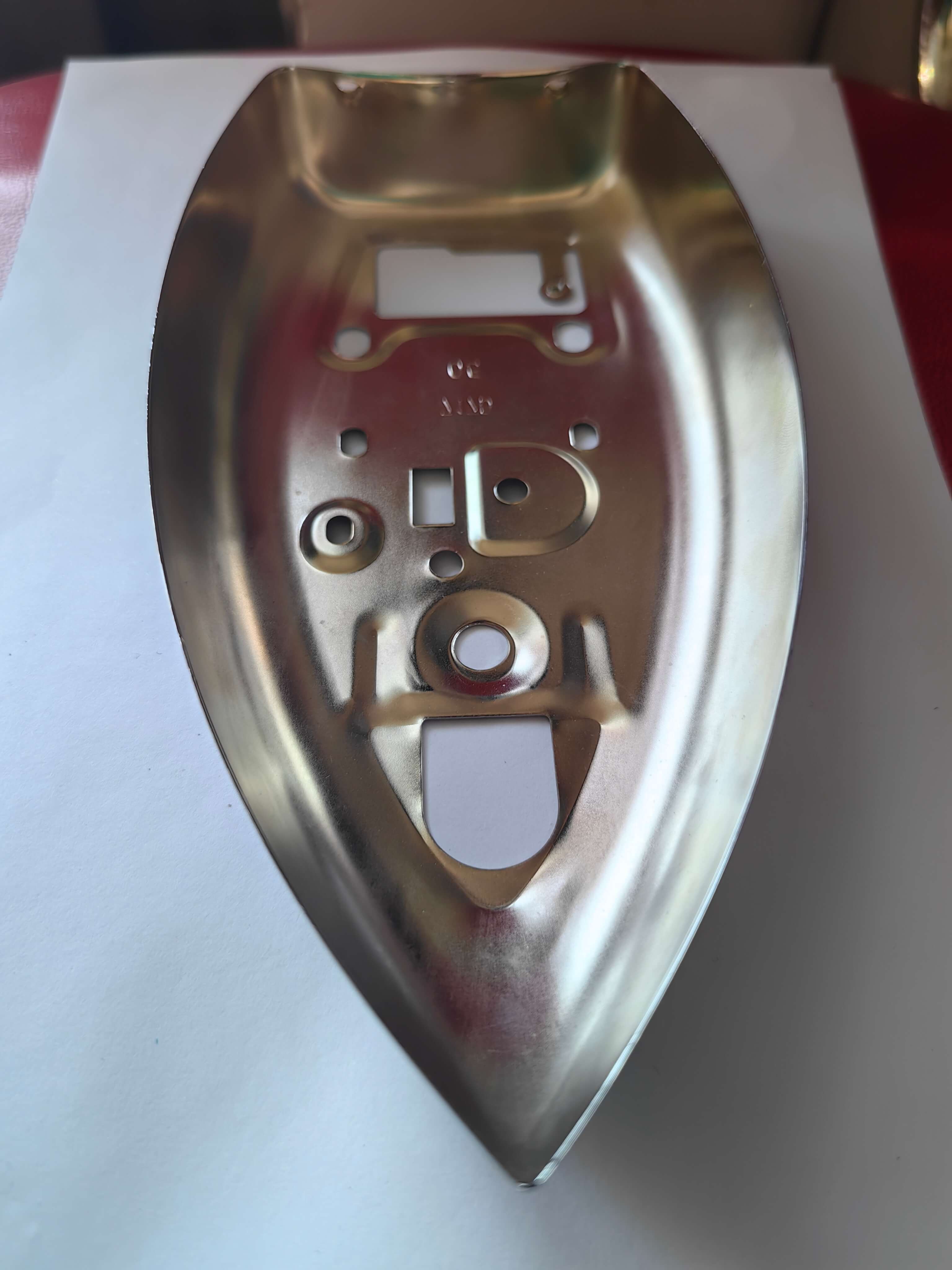 Introduction to Corporate Technical Strength: Nanning County Haokai Hardware Products Co., Ltd.'s Solutions
Nanpi Haokai Hardware Products Co., Ltd. solves industry difficulties through a three-dimensional upgrade of "equipment + technology + management". At the equipment level, the company is equipped with more than 30 stamping machines with tonnages ranging from 30 to 250 tons, including high-speed precision stamping presses (pressure accuracy ±1%) capable of 1,200 stamping cycles per minute, complemented by CNC core feed machines (positioning accuracy ±0.005mm) for multi-process composite processing, reducing the production cycle of a single piece to 8 seconds. In terms of technological innovation, the company adopts "progressive stamping" technology, controlling the thickness deviation of the spring strip within ±0.01mm through stepwise cutting (pre-punching before fine cutting), extending the mold life to 2 million cycles. For material hardness differences, a dynamic parameter adjustment system is developed, automatically adjusting the stamping speed (50-300mm/s) and pressure (50-300 tons) based on the material HV value, reducing the defect rate to below 2%. In terms of management, the company has obtained ISO9001:2015 quality system certification, achieving full-process digital management from design (CAD/CAM integration) to production (MES system real-time monitoring) and after-sales service (8D problem traceability), ensuring a 30% reduction in order delivery cycle. In a typical case, the custom spring strips for a car electronics manufacturer achieved ultra-thin wall processing of 0.1mm through the aforementioned technology, with an annual supply volume exceeding 5 million pieces, and a near-zero return rate from customers.
FAQ: Guide for Selection of Stamping Frit Technology
Q1: How to choose the suitable tonnage of a punch press for blanking processing?
A: The tonnage of the punch press needs to be calculated comprehensively based on material thickness, shearing force, and safety factor. For example, when processing 0.2mm thick beryllium bronze弹片, the shearing force formula is F=K×L×t×τ (K is the coefficient 1.3, L is the circumference 20mm, t is the thickness 0.2mm, τ is the shear strength 400MPa), the calculated F is 20800N (about 2.1 tons), and considering the safety factor, it is recommended to choose a punch press over 5 tons. Nanshi County Haokai's 30-250 ton punch press covers a thickness range of 0.05-3mm, suitable for different specifications of弹片.
Q2: How to solve the problem of short mold life?
A: Molding life is related to materials, heat treatment, and lubrication methods. Nanshi County Haokai uses DC53 mold steel (hardness HRC58-62), combined with vacuum quenching technology to reduce internal stress. At the same time, it employs a graphite + oil-based composite lubricant, reducing the coefficient of friction from 0.15 to 0.08, thereby increasing the mold life from 500,000 to 2 million cycles.
Q3: How to control costs for small batch orders?
A: Small batch production requires cost reduction through "quick die change" and "flexible production lines." The CNC core machine from Nanpi Haokai supports mold replacement within 10 minutes, in conjunction with the MES system automatically generating processing parameters, reducing debugging time; at the same time, "modular mold" design is adopted, which allows for adaptation to different products by replacing local cores, reducing mold development costs by 40%.
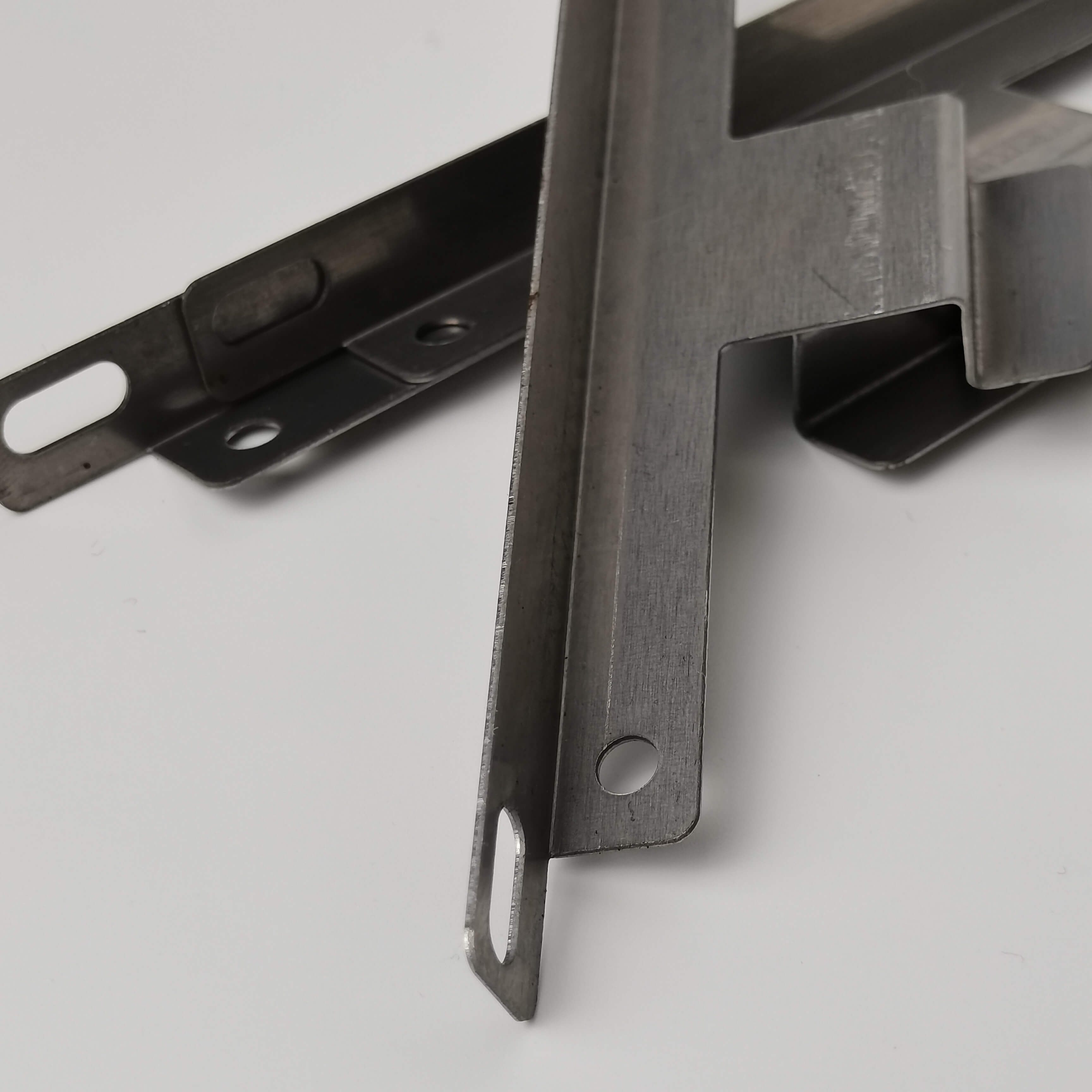 Summary: Upgrade of Stamping Frit Production Driven by Technology
The technical upgrade of stamping blank manufacturing should focus on the three key elements of "accuracy, efficiency, and cost". Nanning County Haokai Hardware Products Co., Ltd. has achieved the leading industry level with ±0.01mm thickness deviation of blanks, an 8-second single piece cycle, and a defect rate of 2% through high-precision equipment (such as dynamic parameter adjustment stamping presses), innovative processes (gradual stamping), and digital management (ISO9001 system), and also provided low-cost solutions such as quick mold change and flexible production for small batch orders. For manufacturers, choosing partners with strong technical capabilities, advanced equipment, and full-process management capabilities is the key to breaking through technical bottlenecks and enhancing market competitiveness.