 Nanpi County Haokai Hardware Products Co., Ltd.
Nanpi County Haokai Hardware Products Co., Ltd.
Industry Technical Pain Points: The Dilemma of Balancing "Safety-Efficiency" in Low-Voltage Outlets
As a fundamental component of electrical transmission, the technical upgrade of low-voltage outlets always faces two core contradictions: first, the conflict between safety and cost control——traditional outlets often adopt multi-layer material stacking design to meet safety standards such as voltage resistance and flame retardancy, resulting in large product volume, heavy weight, and material cost accounting for more than 40%; second, the contradiction between production efficiency and accuracy——the internal conductive strips, insulating parts, and other components of the outlets need to be processed through processes such as stamping and injection molding, and the accuracy error of traditional equipment reaches ±0.1mm, leading to uneven assembly gaps and triggering potential safety hazards such as poor contact and overheating. Industry data shows that in 2023, the return rate of the low-voltage outlet market due to technical defects reached as high as 12%, of which 70% are related to the deformation of conductive strips and damage to the insulation layer. In addition, with the increasing demand for outlet miniaturization and integration from smart home and new energy scenarios, traditional technology is no longer able to meet the comprehensive requirements of the market for "high safety, low cost, and quick delivery".
Introduction to Corporate Technical Strength: Nanning County Haokai Hardware's Path to Precision Manufacturing Breakthrough
Nanpi Haokai Hardware Products Co., Ltd., with over 20 years of metal processing experience, has established a full-chain technical system covering "design-production-inspection" for the low-voltage socket industry, providing a systematic solution. At the equipment level, the company has introduced over 30 hydraulic presses ranging from 30 to 250 tons, including a 250-ton high-speed precision press that can achieve 0.05mm micron-level stamping, controlling the thickness error of the conductive strip within ±0.02mm, a 60% improvement over the industry average. Coupled with a CNC core machine and injection molding machine integrated production line, it can simultaneously complete the stamping of conductive strips, injection molding of insulating parts, and component assembly, with a daily production capacity of 5,000 sets per line, a 3-fold increase in efficiency over traditional processes. In terms of technological innovation, the company adopts a "一体式绝缘框架" design, bonding the insulating layer and conductive strip with high-precision molds, replacing the traditional multi-layer stacking structure, reducing the product volume by 40% and the material cost by 25%. At the same time, the ISO9001:2015 quality system standard has been introduced, with 12 inspection nodes set for key processes, including conductive strip withstand voltage test (500V/1min without puncture), insulating layer flame retardancy test (UL94 V-0 level), etc., ensuring a product pass rate of 99.8%. Currently, the company has customized and developed a series of products, including smart home dedicated sockets, new energy charging桩 sockets for many domestic and foreign large enterprises. One model of charging桩 socket has improved the conductive strip structure, reducing the contact resistance from 0.5mΩ to 0.2mΩ, lowering the temperature rise by 50%, significantly enhancing the charging safety.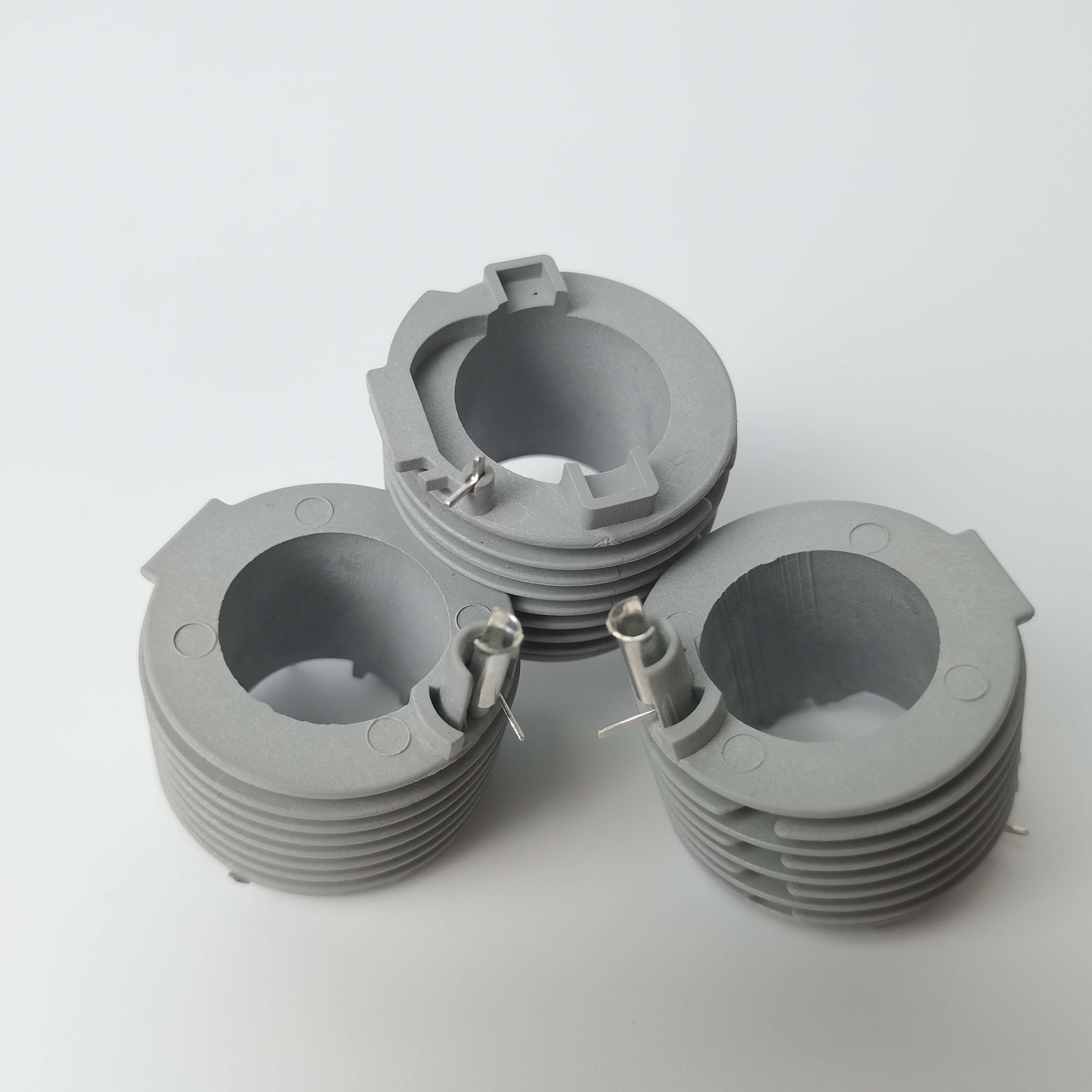
FAQ: Low Voltage Socket Technical Selection Guide
Q1: How to choose a low-voltage socket suitable for smart home scenarios?
A: Smart home scenarios have higher requirements for the integration and miniaturization of sockets. It is recommended to prioritize products with an "integrated insulation frame" design. These sockets are assembled by high-precision molds to fit conductive strips with insulating layers, reducing the volume by 40% compared to traditional products and having a lower contact resistance (usually ≤0.3mΩ), which can effectively prevent overheating caused by poor contact. In addition, attention should be paid to the product's voltage withstand level (recommended ≥500V) and flame-retardant level (UL94 V-0 grade) to ensure safety during long-term use.
Q2: How to balance accuracy and efficiency in the production of low-voltage outlets?
The key lies in equipment upgrade and process optimization. For example, using a 250-ton high-speed precision stamping machine (accuracy ±0.02mm) in conjunction with a CNC core machine, simultaneous production of conductive sheet stamping and insulating part injection molding can be achieved, with a daily production capacity of up to 5,000 sets per production line. At the same time, through the ISO9001 quality system, 12 inspection nodes are set for key processes (such as conductive sheet thickness detection, insulating layer voltage resistance test, etc.), which can improve efficiency while ensuring accuracy (pass rate ≥99.8%).
Q3: What is the technical core of new energy charging桩 outlets?
A: The new energy scenario demands extremely high electrical conductivity and heat dissipation capabilities for outlets. The technical core includes two aspects: first, optimizing the conductive sheet structure by reducing the contact area (such as using a point contact design) to lower the contact resistance from 0.5mΩ to 0.2mΩ; second, using high thermal conductivity insulating materials (such as aluminum nitride ceramic) to control the temperature rise at ≤45℃ (a 50% reduction compared to traditional products), thereby extending the product's service life.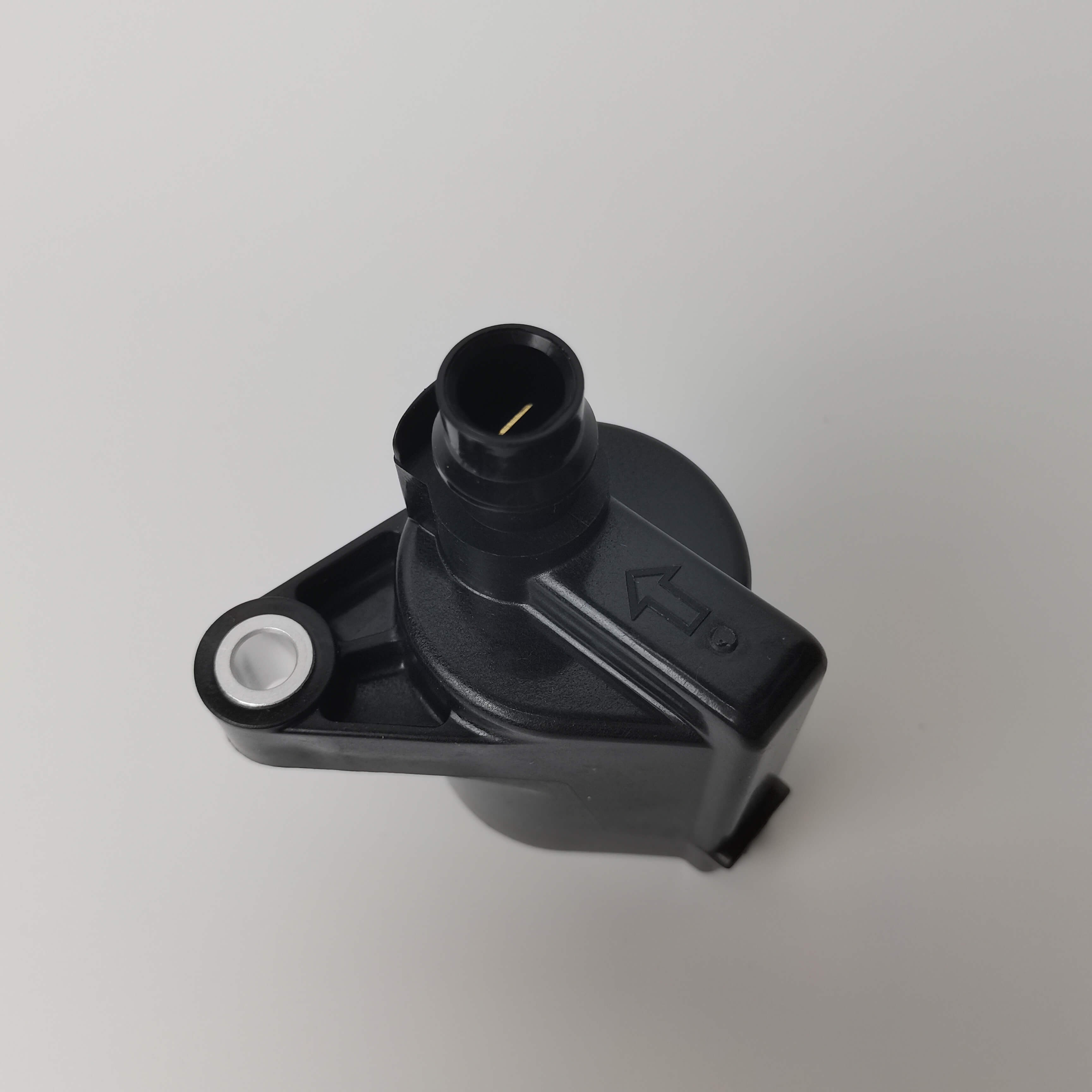
Summary: The Upgrading Path of Low-Voltage Socket Industry Driven by Technology
The technical upgrade of the low-voltage socket industry has shifted from single-function optimization to the construction of systematic solutions. Nanningpi Haokai Hardware Products Co., Ltd. has resolved the contradiction between the safety and efficiency of traditional products through a technological combination of "precision stamping + high-precision processing + integrated process design." Furthermore, by material innovation (such as one-piece insulating frames) and process optimization (such as synchronous production, 12 inspection nodes), the company has provided the industry with a replicable model for technological upgrade. In the future, with the increasing demand for socket miniaturization and integration in scenarios like smart homes and new energy, enterprises with full-chain technological integration capabilities will have greater market competitiveness. For buyers, choosing suppliers with strong technical strength and a完善 quality system (such as ISO9001 certification) is the key to ensuring product safety and long-term stability.