 Nanpi County Haokai Hardware Products Co., Ltd.
Nanpi County Haokai Hardware Products Co., Ltd.
Introduction: The Technical Balance Challenge of Precision Stamping Parts
In high-end manufacturing fields such as automotive electronics and medical devices, the precision of precision stamping parts directly affects product performance and reliability. However, traditional stamping processes often face a contradiction between precision and efficiency: excessive pursuit of high precision may lead to prolonged production cycles and soaring costs, while simply improving efficiency may compromise product consistency. Nanpi Haokai Hardware Products Co., Ltd., through over two decades of technological accumulation, has achieved dual breakthroughs in 0.01mm-level precision and production efficiency in the field of precision stamping, providing a replicable solution for the industry with its technological approach.
Keywords: precision stamping parts; high precision; production efficiency; process optimization; quality control
Opening on Industry Technical Pain Points: The Trade-off Between Precision and Efficiency
The core pain points of precision stamping parts lie in the comprehensive challenges posed by material properties, mold design, and production control. STEP 1: In terms of materials, high-strength alloys (such as stainless steel 304 and titanium alloy) exhibit significant variations in rebound coefficients, necessitating adjustments to material hardness (HRC28-32) through heat treatment processes. However, controlling the deformation of materials after heat treatment becomes more difficult. STEP 2: Mold design must balance cavity precision (±0.005mm) with wear resistance. Traditional Cr12MoV steel molds are prone to wear after continuous stamping for 50,000 cycles, resulting in excessive burr heights (>0.05mm) on products. STEP 3: In production control, the matching between stamping speed (SPM) and feeding accuracy directly affects the yield rate. Traditional mechanical feeders are prone to step deviation (±0.02mm) when operating at high speeds (>300SPM), leading to dimensional deviations in products. A certain automotive electronics manufacturer once incurred losses exceeding one million yuan due to a hole position deviation of 0.03mm in stamping parts, which necessitated the rework of an entire batch of products.
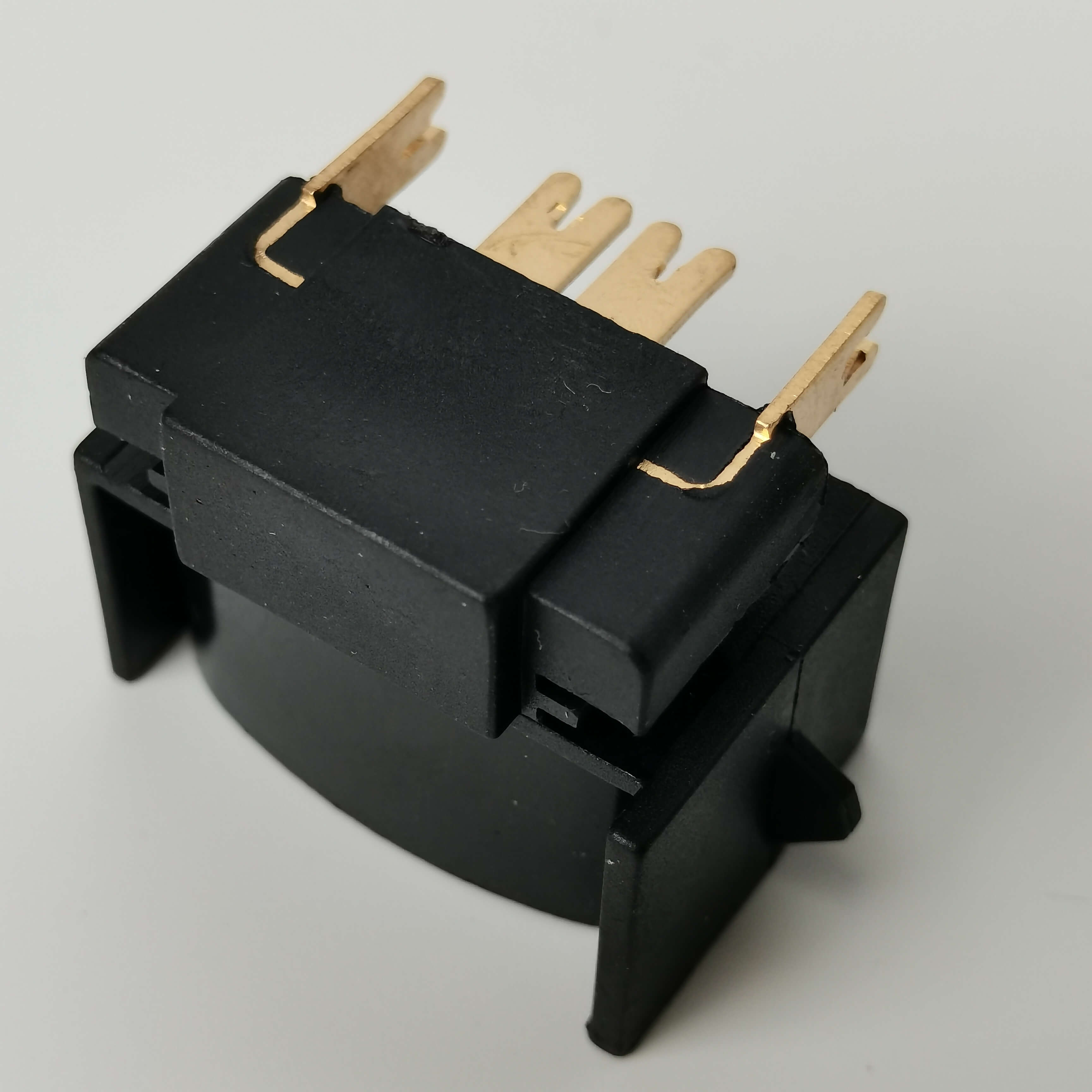
Introduction to the company's technological capabilities: Synergistic breakthroughs in equipment, processes, and systems
Nanpi Haokai Hardware Products Co., Ltd. has resolved technical challenges in precision stamping parts through a triple strategy of "equipment upgrading + process optimization + quality control." STEP 1: At the equipment level, the company has introduced over 30 stamping machines ranging from 30 to 250 tons, including a Japanese AIDA high-speed precision press (maximum stamping speed of 1200 SPM) capable of achieving 0.01mm-level precision control. Paired with a Swiss Bruderer feeder (step pitch accuracy of ±0.005mm), it maintains step pitch deviations in high-speed stamping at an industry-leading level. STEP 2: At the process level, the company has developed a "segmented heat treatment + mold surface coating" technology. Through segmented heating (650℃/720℃/780℃) and vacuum quenching processes, it improves material hardness uniformity by 40%. Additionally, using PVD coating (thickness of 3μm), it extends mold life to over 200,000 cycles and reduces the cost per mold by 35%. STEP 3: At the quality control level, the company has obtained ISO9001:2015 certification and established a three-tier control mechanism of "first-article inspection + in-process sampling inspection + final product full inspection." Equipped with a coordinate measuring machine (accuracy of 0.001mm) and an image measuring instrument (magnification of 200X), it ensures product dimensional tolerances are strictly controlled within ±0.01mm. For example, for a medical device client, the company produced 0.2mm-thick stainless steel stamping parts with a hole diameter tolerance of ±0.008mm, achieving a good product rate of 99.8%, which is a 12 percentage point improvement over the client's original supplier.
FAQ: Q&A Guide to Technology Selection
Q1: How to select suitable stamping equipment?
A1: It is necessary to comprehensively consider material thickness, product precision, and production volume. STEP 1: When the material thickness is ≤1 mm, prioritize high-speed precision presses (e.g., AIDA 60-ton model with a stamping speed of 800-1200 SPM) to achieve precision at the 0.01 mm level. STEP 2: When the material thickness is 1-3 mm, opt for medium-speed presses (200-250 tons with a stamping speed of 300-500 SPM) to balance efficiency and die life. STEP 3: When the production volume exceeds 100,000 pieces/year, it is recommended to equip automatic feeders and online inspection systems to minimize manual intervention. For example, the company customized a 200-ton press + Swiss feeder production line for an automotive sensor customer, achieving a daily output of 12,000 pieces per shift and an overall equipment effectiveness (OEE) of 85%.
Q2: How to solve the problem of short mold life?
A2: Die life is closely related to material, heat treatment, and surface treatment. STEP 1: ASP23 (hardness 60-62HRC) is preferred as the die material, with wear resistance twice that of Cr12MoV; STEP 2: Heat treatment employs vacuum quenching + cryogenic treatment (-196℃×24h) to eliminate residual stress and improve die hardness uniformity by 30%; STEP 3: Surface treatment utilizes PVD coating (TiN or TiAlN) with a thickness of 3-5μm, extending die life from 50,000 cycles to over 200,000 cycles. The ASP23 die + PVD coating solution developed for an electronic connector customer achieved a die life of 180,000 cycles, reducing the cost per die from 8 yuan to 3.2 yuan.
Q3: How to control burrs on stamping parts?
A3: Burr control requires comprehensive optimization of die clearance, stamping speed, and lubrication methods. STEP 1: Set the die clearance to 8%-10% of the material thickness (e.g., for a 0.5 mm thick material, the clearance is 0.04-0.05 mm). Excessively small clearance can easily cause die wear, while overly large clearance increases burrs. STEP 2: Control the stamping speed within 300-500 SPM, as excessively high speeds can easily generate tear burrs. STEP 3: Use water-soluble lubricants (with a concentration of 5%-8%), which can reduce the friction coefficient by 30% and decrease burr height. By implementing these measures, the company reduced the burr height of a customer's product from 0.08 mm to below 0.02 mm, meeting the cleanliness requirements for medical devices.
For more information, please visit the official website:www.hkwujin.com
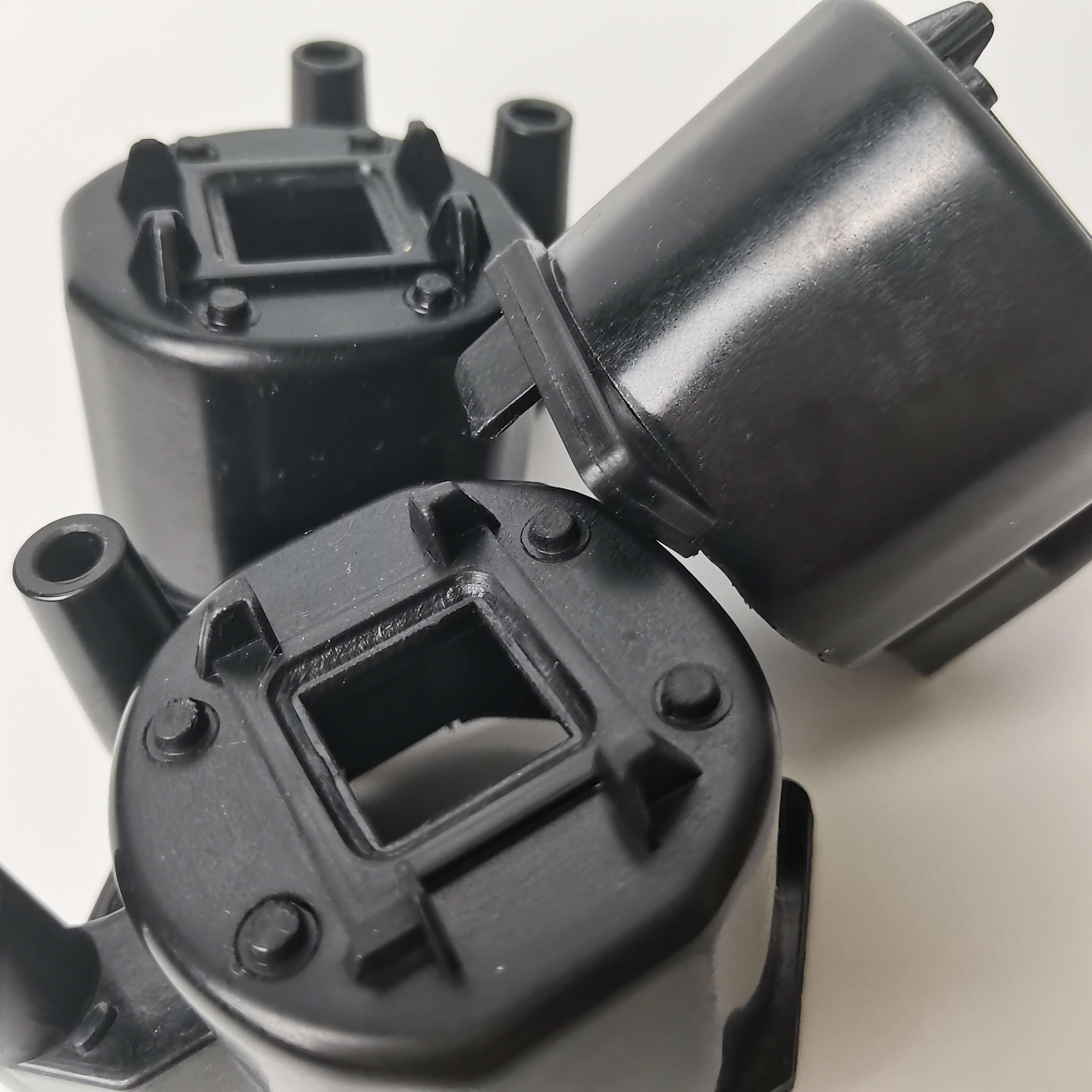
Reference for Full Text Summary
Technological breakthroughs in precision stamping parts require collaborative efforts in equipment, processes, and quality control. Nanpi County Haokai Hardware Products Co., Ltd. has achieved dual improvements in 0.01mm-level precision and production efficiency by introducing high-speed precision stamping machines, optimizing heat treatment processes, and establishing a three-tier quality control system. Its technical solutions have been successfully applied in automotive electronics, medical devices, and other fields, helping customers reduce unit costs by 15%-30% and increase the yield rate to over 99.5%. In the future, the company will continue to deepen its technological layout of "precision manufacturing + intelligent inspection" to provide higher-quality products and services for high-end manufacturing sectors.