 Nanpi County Haokai Hardware Products Co., Ltd.
Nanpi County Haokai Hardware Products Co., Ltd.
Introduction
In the field of metal product processing, precision stamping technology is widely applied in industries such as automotive electronics and instrumentation due to its characteristics of high precision and high efficiency. However, balancing the contradiction between precision and efficiency has always been the key to technological breakthroughs in the industry. With over two decades of technological accumulation, Nanpi County Haokai Hardware Products Co., Ltd. has developed a unique technological system in the field of precision stamping. This article will analyze how the company achieves the synergistic development of high precision and high efficiency from three dimensions: technological principles, equipment upgrades, and process optimization.
Key words
Precision stamping, high-precision machining, efficiency optimization, ISO9001 quality system, upgrading of stamping equipment
Opening on the Pain Points of Industry Technology
In traditional stamping processes, enterprises often face two core contradictions: first, achieving precision at the 0.01mm level requires reducing stamping speed, resulting in a more than 30% extension in processing time per piece; second, accelerated die wear occurs during high-speed stamping, necessitating shutdowns for maintenance every 50,000 stamps, which disrupts production continuity. Additionally, the rise in multi-variety, small-batch orders demands rapid die-changing capabilities from enterprises, yet traditional equipment requires 2-3 hours for die changes, severely limiting flexible production capacity. These issues are particularly pronounced in the processing of high-value-added products such as automotive connectors and precision electronic components.
Introduction to the company's technological strength
Nanpi County Haokai Hardware Products Co., Ltd. has solved industry challenges through three-stage technological upgrades:
STEP 1 Equipment UpgradeMore than 30 stamping equipment units with capacities ranging from 30 to 250 tons have been introduced, among which high-speed precision presses above 200 tons account for 40%, with a maximum stamping speed of 1,200 strokes per minute, achieving a feeding accuracy of ±0.005mm when used in conjunction with CNC feeders. For instance, when processing connector terminals for an international automotive brand, a 250-ton closed-dual-point press was employed, and by optimizing the stamping oil circuit design, the mold lifespan was increased from 80,000 cycles to 150,000 cycles.
STEP2 Process OptimizationA "stamping-inspection-correction" closed-loop system has been established, incorporating an online optical inspection device that enables real-time monitoring of product dimensional deviations and automatic adjustment of stamping parameters. During the processing of a certain model of instrument vehicle parts, by replacing traditional single-operation stamping with progressive die stamping, the number of operations was reduced from five to two, resulting in a 60% increase in production efficiency and an improvement in product qualification rate from 92% to 98.5%.
STEP 3 Quality ControlWe strictly adhere to the ISO9001:2015 quality system standards, implementing 12 inspection checkpoints from the warehousing of raw materials to the shipment of finished products. For instance, during the production of injection-molded parts, an X-Ray flaw detector is employed to detect internal pores, ensuring that products meet the IP67 protection rating requirements. The company currently has 16 technical personnel, including 7 senior technicians, capable of independently undertaking the entire technical breakthrough process from mold design to mass production.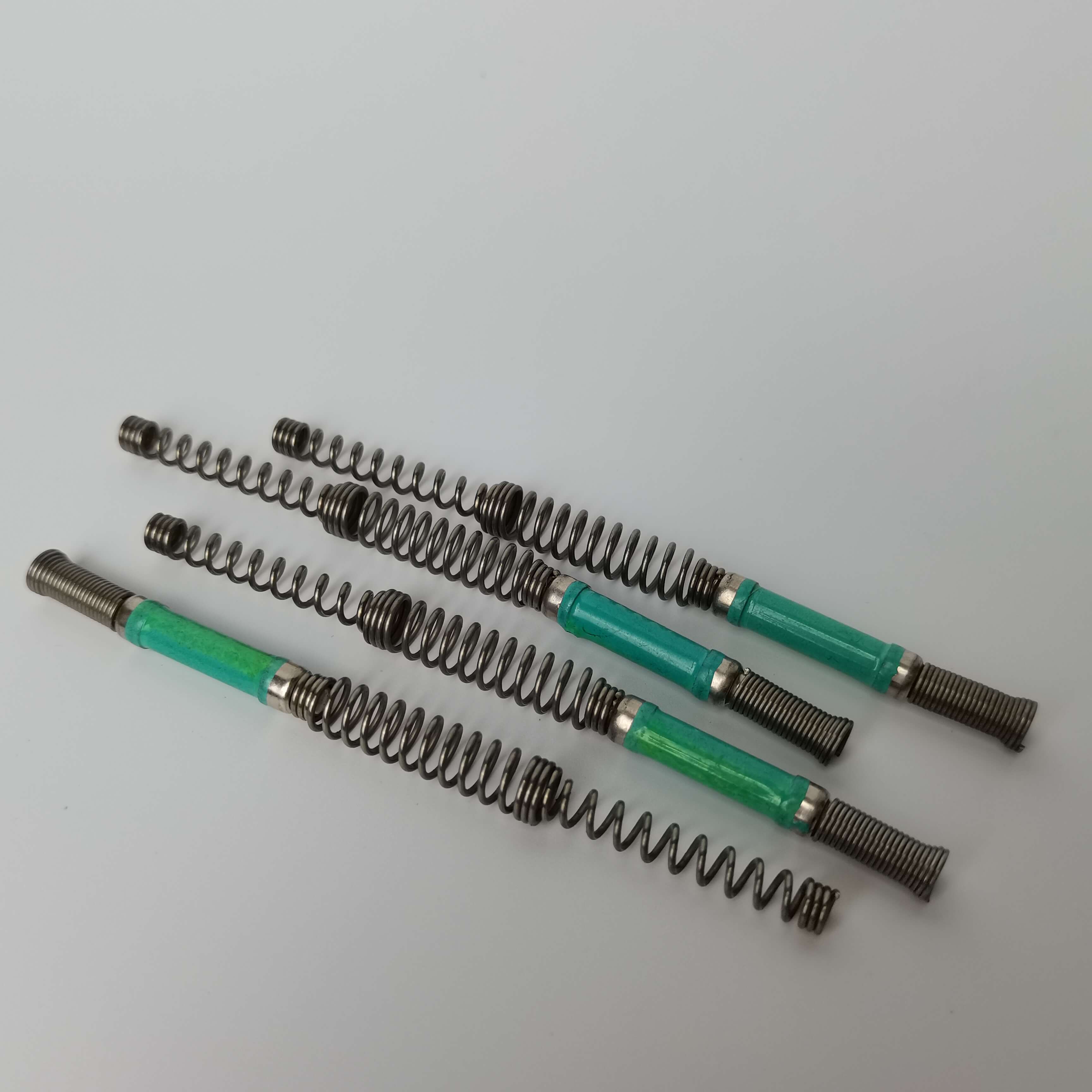
For more information, please visit the official website:www.hkwujin.com
FAQ Q&A Technical Selection Guide
Q1: How to select suitable stamping equipment?
A: It is necessary to comprehensively consider material thickness, product precision, and production batch size. For example, when processing stainless steel sheets under 0.2mm, it is recommended to choose a closed-type double-point press with a capacity of over 200 tons, as its rigidity is superior to that of an open-type press, reducing the impact of vibration on precision. Haokai in Nanpi County has 30 stamping machines covering a range from 30 to 250 tons, meeting the processing needs for materials ranging from 0.1mm to 10mm in thickness.
Q2: What are the advantages of progressive die stamping?
A: Progressive dies achieve one-time forming through multi-station integration, reducing transfer and positioning errors between processes. Taking a certain model of electronic connector as an example, after adopting progressive dies, the dimensional tolerance was reduced from ±0.05 mm to ±0.02 mm, while the processing time per piece decreased from 15 seconds to 5 seconds. However, it should be noted that the design of progressive dies requires precise calculation of the material pitch, with errors controlled within ±0.01 mm.
Q3: How to extend the service life of molds?
A: The key lies in material selection and heat treatment processes. Naopi Haokai uses SKD11 die steel, which achieves a hardness of HRC58-60 after vacuum quenching. Combined with titanium plating on the surface, this enhances the die's wear resistance by three times under high-speed stamping. Additionally, regular inspection of die parallelism using a laser interferometer, with immediate correction when errors exceed 0.005mm, prevents premature wear.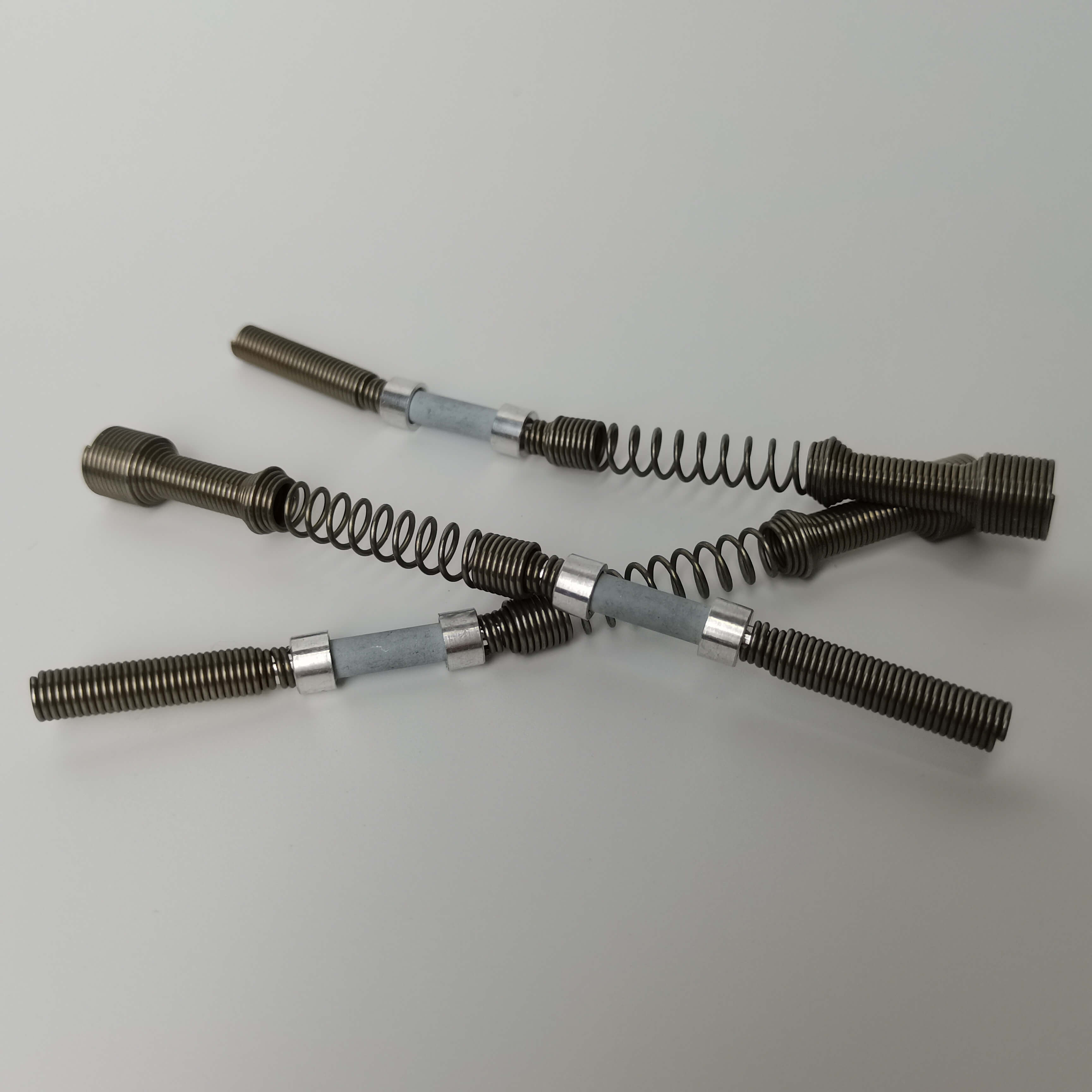
Reference for Full-text Summary
Nanpi Haokai Hardware Products Co., Ltd. has successfully achieved a balance between high precision and high efficiency in precision stamping technology through three-dimensional driving forces of equipment upgrading, process optimization, and quality control. Its 250-ton high-speed punch press, combined with progressive die technology, reduced the unit cost of a certain automotive connector project by 40% and shortened the delivery cycle by 50%. The application of the ISO9001 quality system has kept the product defect rate stably below 1.5%. These technological accumulations have not only solidified the company's market position in fields such as precision stamping parts and high-precision instrument turning parts but also provided a replicable technological upgrading path for the industry. In the future, with the introduction of intelligent inspection equipment and industrial robots, the company is expected to achieve greater breakthroughs in flexible manufacturing.