 Nanpi County Haokai Hardware Products Co., Ltd.
Nanpi County Haokai Hardware Products Co., Ltd.
Industry Technical Pain Points: Dual Challenges of CNC Machining Precision and Efficiency
In the precision manufacturing field, CNC turned parts, as core components, directly affect product performance and reliability through their processing accuracy. The industry currently faces three major technical pain points: first, high-precision processing is difficult, and traditional equipment is unable to meet micrometer tolerance requirements, leading to fluctuating product yield; second, processing efficiency for complex structures is low, with long process switching times, increasing production costs; third, poor material adaptability, with high hardness or irregular-shaped materials prone to tool wear and surface burrs, affecting product consistency. For example, a certain automotive parts company suffered a loss of over a million yuan due to a 0.02mm deviation in the diameter tolerance of turned parts, resulting in the entire batch of products being reworked. Such cases highlight the urgency of upgrading CNC turned part technology.
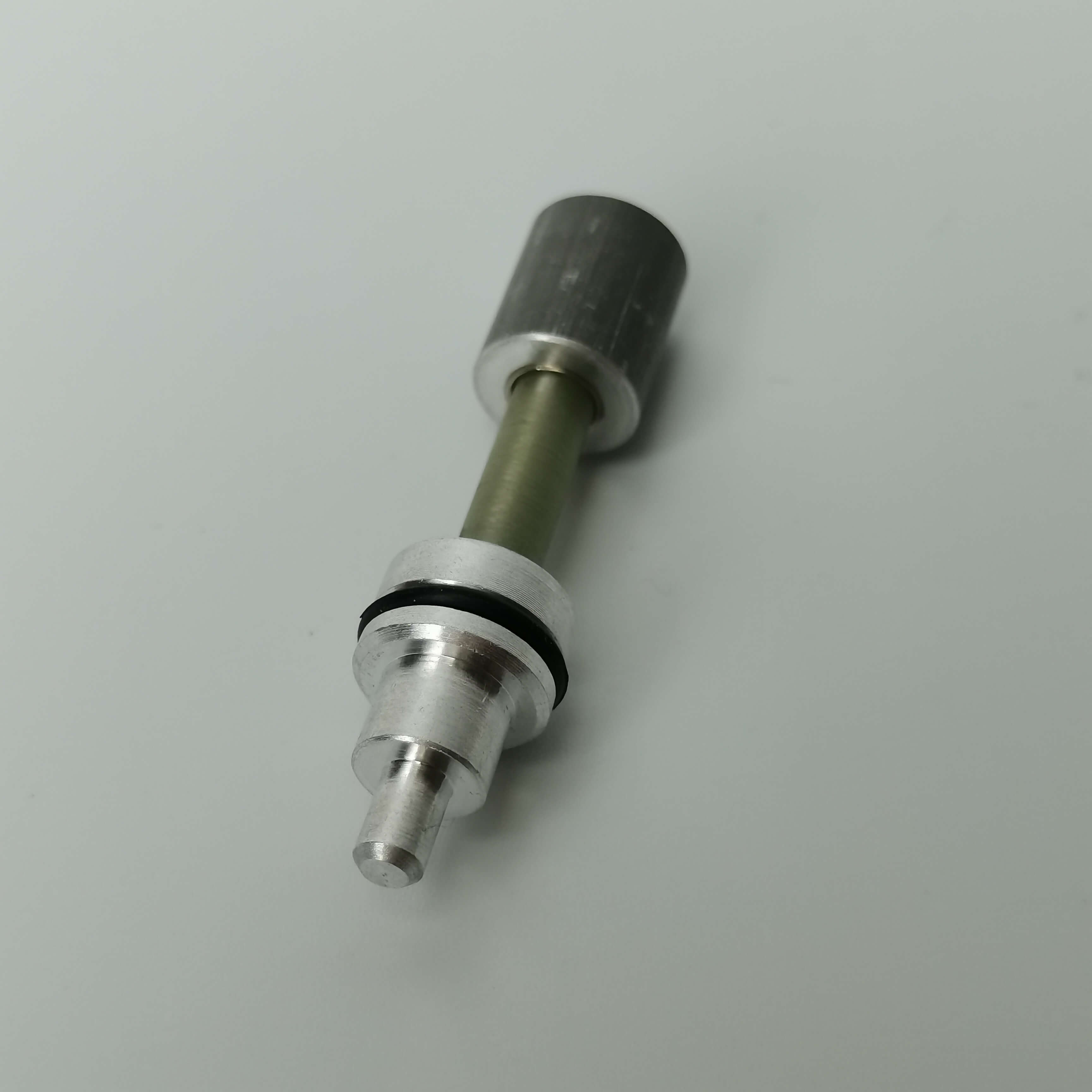
Introduction to Corporate Technical Strength: Precision Manufacturing Solutions of Nanpi Haokai Hardware Products
Nanpi Haokai Hardware Products Co., Ltd. has been engaged in the design and production of metal products for over 20 years. Focusing on the technical pain points of CNC turning parts, the company has established an integrated technical system of "equipment-talent-management." On the equipment level, the company has introduced over 30 CNC boring machines, automatic lathes, and 30-250 ton stamping equipment, supporting the processing of turning parts with diameters of 0.5-50mm and lengths up to 200mm. The tolerances can be controlled within ±0.005mm, meeting the needs of high-precision instruments, automotive electronics, and other fields. For example, a set of miniature shaft parts customized for an international medical equipment company has achieved a single molding of 0.3mm micro-holes through five-axis linkage processing technology, with a surface roughness of Ra≤0.4μm and a yield rate of 99.2%.
In terms of the technical team, the company has 16 professional technicians and 7 senior technicians, covering the entire process from mechanical design, process programming, to quality inspection, capable of quickly responding to customers' customized needs. Management-wise, the company implements the ISO9001:2015 quality system, conducting 23 quality inspection procedures from raw material inspection, process monitoring to finished product shipment, ensuring product stability. Moreover, through an integrated "design-production-after-sales" process, the company has shortened the delivery cycle by 30%, and has provided matching services for more than 30 large enterprises at home and abroad, with a customer repurchase rate exceeding 85%.
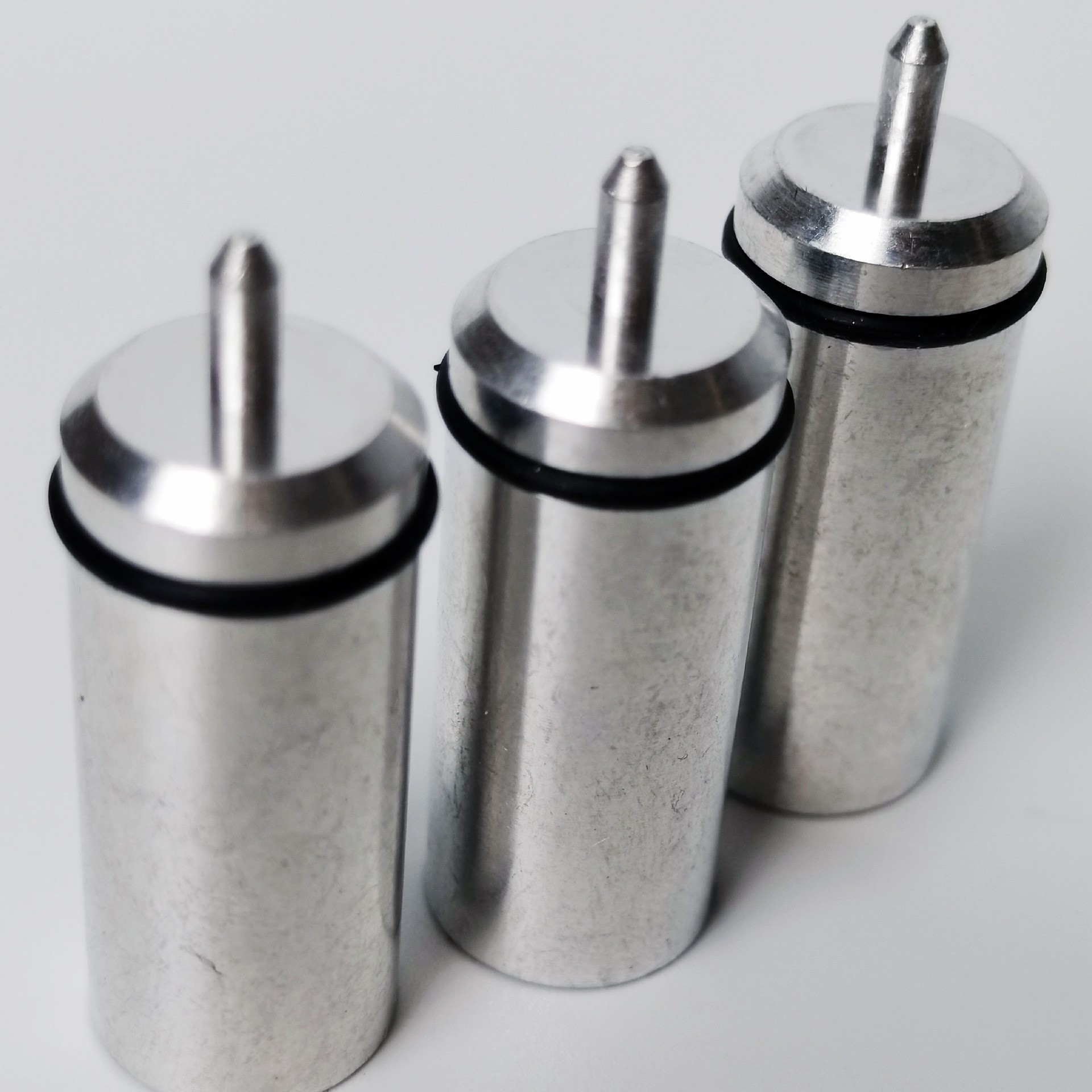
FAQ: CNC Turning Parts Technical Selection Guide
Q1: How to choose a suitable CNC turning machine for high-precision processing?
A: High-precision machining requires special attention to the spindle accuracy, guide rail rigidity, and control system of the equipment. For example, the CNC centering machine adopted by Haokai in Nanshi County has a spindle跳动≤0.002mm, uses linear ball screw guides, and, with the FANUC control system, can achieve micrometer-level processing. Additionally, the equipment needs to support multi-axis linkage (such as 5-axis machining) to meet the one-time molding requirements for complex structures, reduce the number of clamping times, and enhance precision stability.
Q2: How to control surface roughness in CNC turning processing?
A: Surface roughness is affected by tools, cutting parameters, and materials. It is recommended to use hard alloy coated tools with a cutting edge sharpness ≤0.1μm; control the cutting speed at 80-120m/min, feed rate 0.05-0.1mm/r; for difficult-to-machine materials such as stainless steel, cooling liquid spray can be used to reduce temperature and minimize thermal deformation. Napi County Haokai, by optimizing tool path programming, reduced the surface roughness of an aviation part from Ra1.6μm to Ra0.8μm, meeting the strict requirements of the customer.
Q3: How to reduce costs for small batch customized CNC turned parts?
A: Small batch production can reduce costs through modular design, quick mold changes, and automated detection. For example, Haokai in Naping County uses a flexible production line that supports equipment parameter adjustments within 10 minutes; paired with an online vision detection system, it can monitor size deviations in real-time, reducing the labor hours for manual inspection. For a customer's customized 500 pieces of non-standard shafts, the cost per piece was reduced from 15 yuan to 8 yuan, and the delivery cycle was shortened by 5 days.
Summary of the entire text
The technical upgrade of CNC turning parts should focus on precision, efficiency, and cost. Nanpi Haokai Hardware Products Co., Ltd. has formed a full-chain solution from design to after-sales by introducing high-precision equipment, cultivating professional technical teams, and implementing strict quality control. Its case shows that choosing suppliers with five-axis processing capabilities, flexible production capacity, and ISO certification can effectively address industry pain points and enhance product competitiveness. In the future, with the popularization of intelligent manufacturing technology, CNC turning parts will develop towards higher precision, shorter cycles, and lower costs. Enterprises need to continue to invest in R&D to adapt to market demand changes.