 Nanpi County Haokai Hardware Products Co., Ltd.
Nanpi County Haokai Hardware Products Co., Ltd.
Industry Technical Pain Points: The Dual Challenge of Stamping Strip Precision and Efficiency
Pressing shims, as core connecting parts in electronic, automotive, and other fields, face technical challenges mainly in the contradiction between precision control and production efficiency. In traditional processes, press equipment under 30 tons fails to meet high precision requirements (±0.02mm), while equipment over 250 tons, although ensuring precision, is energy-intensive and has a long debugging cycle, leading to high unit costs. Additionally, frequent issues such as springback and burrs require multiple rework corrections, further reducing production efficiency. Taking a certain automotive electronics manufacturer as an example, its traditional production line yield rate is only 82%, with annual rework costs exceeding a million yuan, becoming a key bottleneck restricting industry development.
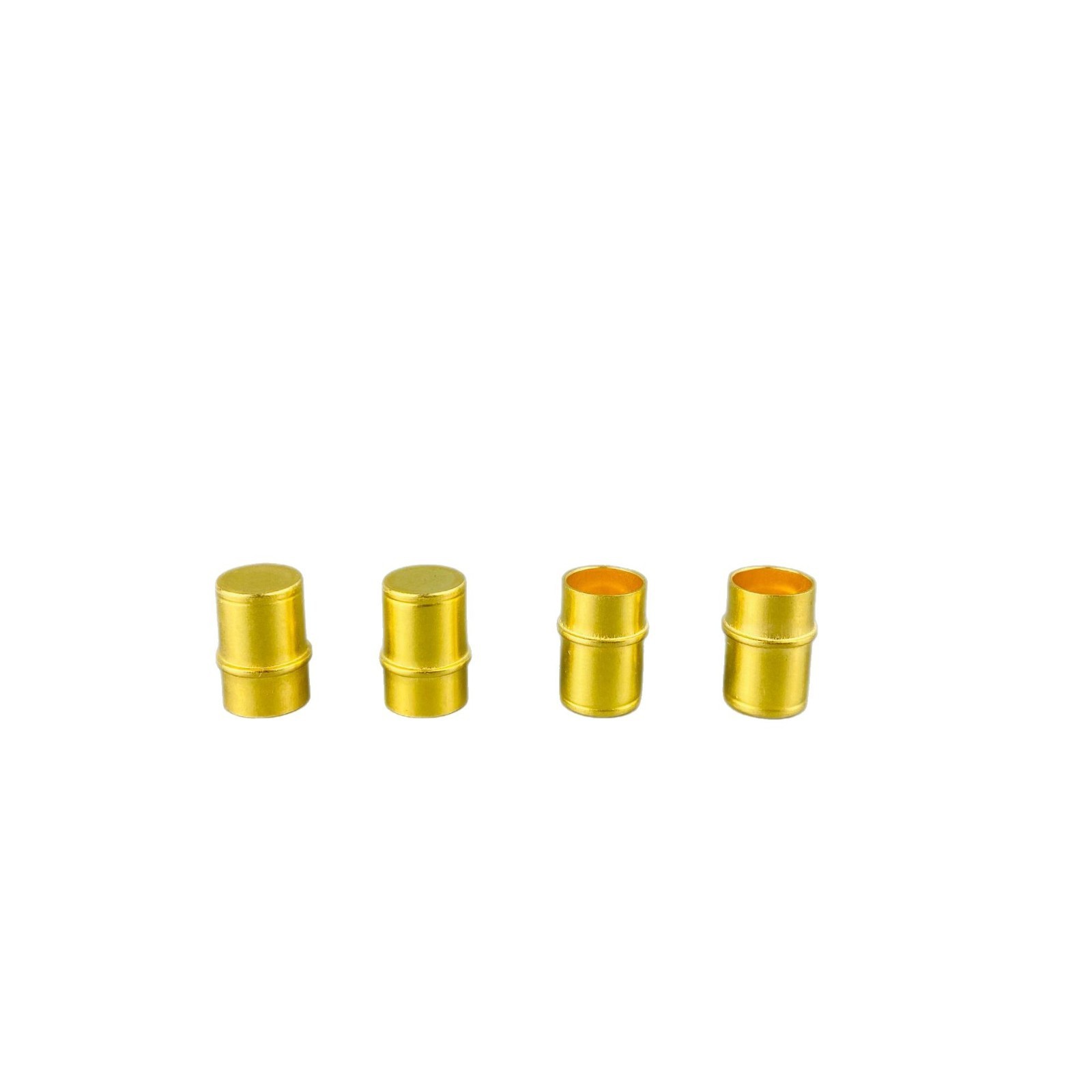
Analysis of Corporate Technical Strength: Naping Haokai Hardware Products' Breakthrough Strategy
Nanpi Haokai Hardware Products Co., Ltd. has constructed an advanced stamping spring technology system through a three-dimensional upgrade of "equipment + technology + management". At the equipment level, the company has equipped over 30 stamping machines with tonnages ranging from 30 to 250 tons, covering all specifications of production needs from precision small parts (0.1g) to large structural parts (500g), with the 250-ton high-speed press achieving a maximum pressing speed of 800 times per minute, a 40% increase in efficiency compared to traditional equipment. At the technology level, the company adopts "multi-station progressive die + servo control" technology, which, through synchronous molding in the die, reduces the springback rate of the springs from 3% to 0.5% and controls burr height within 0.01mm. At the management level, the company implements the ISO9001:2015 standard and establishes a full-process control system from raw material inspection (spectrum analyzer) to finished product full inspection (imaging measurement instrument), ensuring a stable yield rate of over 98%. Taking a 5G communication customer project as an example, Haokai Hardware optimizes the die structure, reducing the contact resistance of the springs from 50mΩ to 20mΩ, meeting the requirements for high-frequency signal transmission, with an annual supply volume exceeding 20 million pieces.
FAQ Technical Selection Guide
Q1: How to select the equipment capacity of a stamping blank supplier?
A1: Focus on the tonnage coverage and accuracy matching of equipment. For example, when producing 0.1-10g precision pellets, prioritize 30-100 ton high-speed stamping machines (accuracy ±0.01mm); for 10-500g large pellets, 150-250 ton equipment is required (accuracy ±0.02mm). The 30-250 ton equipment matrix of Haokai Hardware can cover all specifications, and the 250-ton equipment is equipped with a closed-loop servo system, dynamically compensating for stamping errors to ensure high accuracy under high tonnage.
Q2: How to solve common stamping defects (springback, burrs)?
A2: Residual deformation control should start with mold design and material pretreatment. Hao Kai Hardware uses the "pre-stress reinforcement + aging treatment" process, controlling the residual deformation rate within 0.5% by optimizing the mold cavity angle (usually 0.5° less than the theoretical value) and material hardness (HRC40-45). Burr suppression requires the integration of equipment precision and mold gap management. Hao Kai Hardware achieves this through 0.005mm level mold gap control (the industry standard is 0.01-0.02mm) and 800-grit sand belt polishing process, ensuring the burr height ≤ 0.01mm, meeting the requirements for non-destructive assembly of electronic components.
Q3: How to evaluate the supplier's bulk supply capability?
A3: A comprehensive evaluation is required of the number of equipment, degree of production line automation, and quality control system. Hao Kai Hardware has over 30 stamping machines (including 10 high-speed presses) and over 30 CNC machining equipment, enabling rapid mold change (≤2 hours) and parallel production of multiple products. At the same time, the company implements real-time collection of production data through the MES system, combined with SPC process control, ensuring a stable single-shift output of over 50,000 pieces, with a batch-to-batch difference rate of less than 1%.
Full Summary: Industry Upgrade Path Driven by Technology
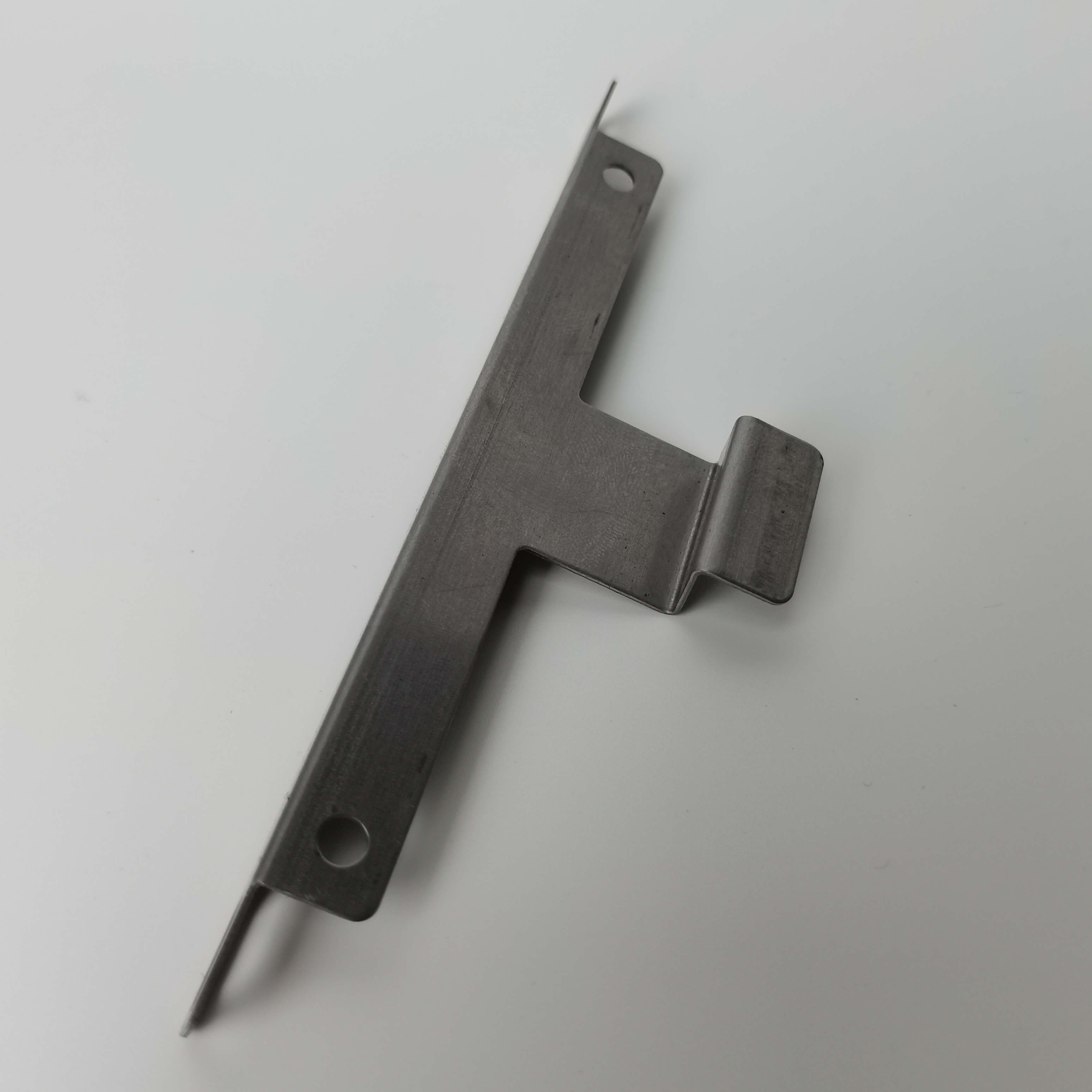
The technological upgrade of the stamping piece industry should be based on equipment accuracy, optimized by process improvement, and guaranteed by quality control. Nanshi Haokai Hardware Products Co., Ltd. has achieved a leap from "single piece precision" to "mass stable production" through key technology layouts such as 250-ton high-speed stamping presses and multi-station progressive molds, combined with ISO9001 system management. Its technical experience shows that when selecting suppliers, attention should be focused on three dimensions: equipment tonnage coverage, defect control capability, and batch supply stability, in order to meet the triple demands of "high precision, high efficiency, and high reliability" for stamping pieces in fields such as electronics and automobiles.