 Nanpi County Haokai Hardware Products Co., Ltd.
Nanpi County Haokai Hardware Products Co., Ltd.
Industry Technical Pain Points: The Precision and Efficiency Dilemma in Stamping Blank Subcontracting
Stamping shims, as core connecting parts in electronic, automotive, home appliance, and other fields, their processing accuracy directly affects product performance. The industry currently faces three major pain points: Firstly, material springback leads to size deviation, and traditional mold compensation methods are difficult to meet ±0.02mm tolerance requirements; secondly, multi-process composite processing efficiency is low, with a single piece production cycle of 15-20 seconds; thirdly, the mold cost of small batch orders is too high, restricting flexible production capacity. For example, a new energy vehicle connector manufacturer once suffered a loss of over one million yuan due to the shims' flatness exceeding the specification by 0.05mm, leading to the whole batch of products being reworked. These pain points essentially arise from the comprehensive challenges of material characteristics, equipment accuracy, and process control, and urgent systematic technical solutions are needed.
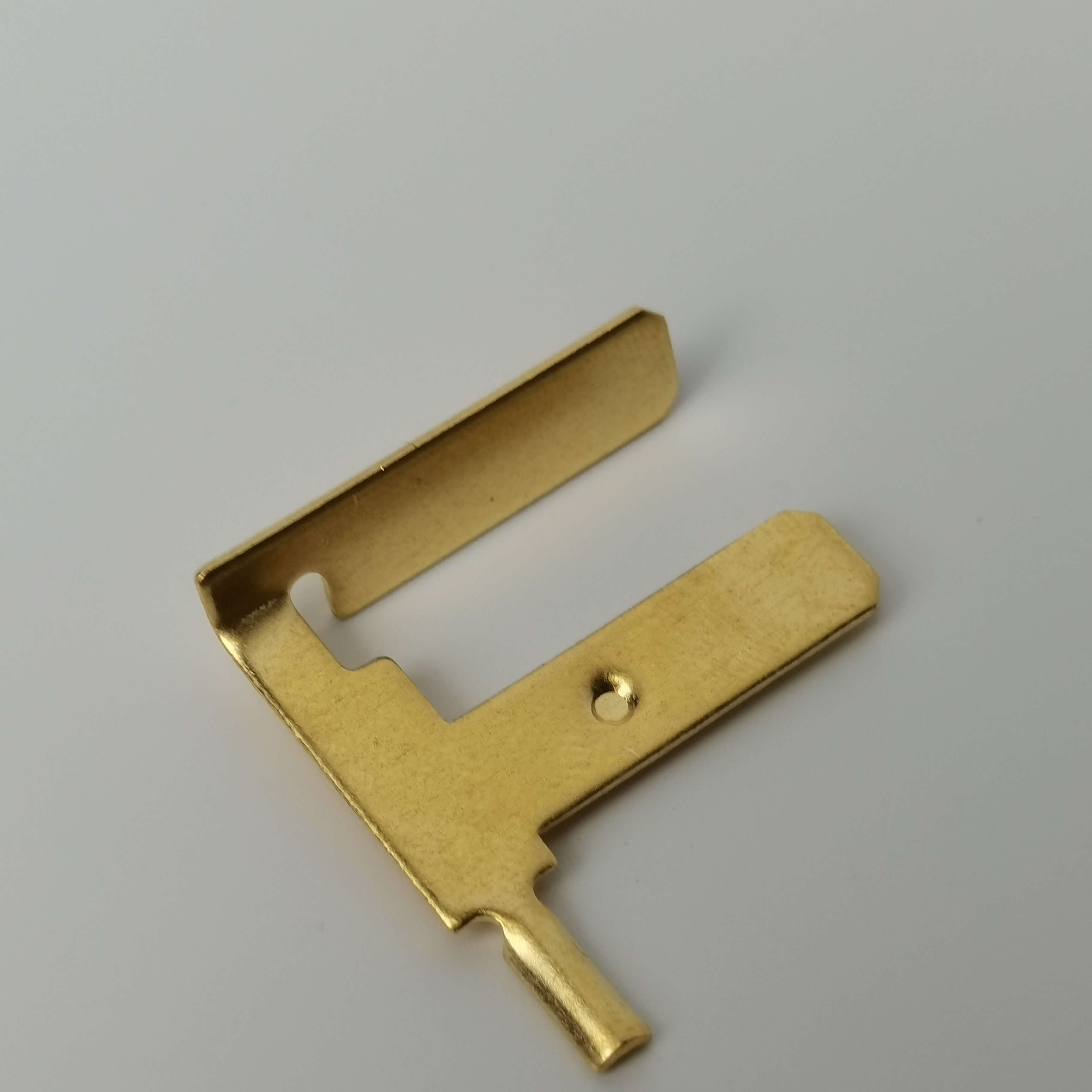
Introduction to Corporate Technical Strength: Nanning County Haokai Hardware Products' Precision Processing System
Nanpi Haokai Hardware Products Co., Ltd. has established a complete precision processing technology chain through equipment upgrading and process innovation. On the hardware level, the company is equipped with more than 30 stamping machines with a tonnage of 30-250 tons, including Japanese AIDA high-speed precision stamping presses (model AP-200T) capable of 1200 stamping operations per minute, coupled with Swiss FEINTOOL progressive molds, reducing the single-piece production cycle to less than 8 seconds; CNC centerless grinding machines (such as STAR SR-20R) support ultra-fine processing of 0.05mm, ensuring the surface roughness of the contact points of the springs is ≤Ra0.4. On the software level, the company uses the AutoForm material springback compensation algorithm, which has been trained with more than 3000 material data sets, improving the compensation accuracy to 92%; at the same time, the MES production execution system is introduced to achieve full-process digital control from order placement to finished product inventory. In terms of the technical team, among the 16 professional engineers, 7 hold senior technician certifications and are in charge of developing the composite process of 'segmental stamping + laser leveling', which has improved the flatness stability of a certain type of spring from 0.1mm to 0.03mm, with a yield rate exceeding 99.5%.
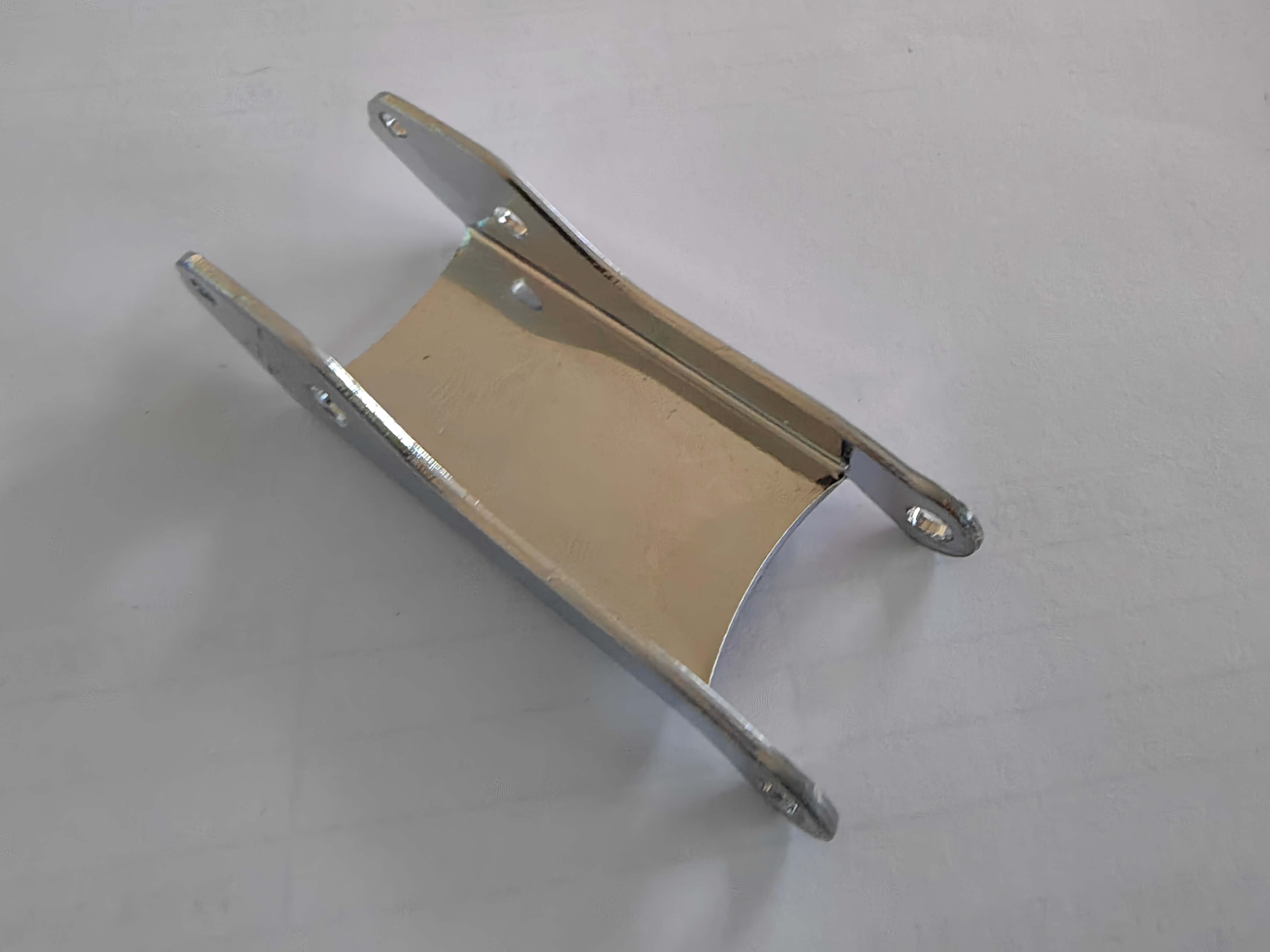
FAQ: Guide to Selection of Stamping Blanks Processing Technology
Q1: How to select the tonnage of stamping equipment suitable for blanking processing?
A: The tonnage of the equipment should be calculated based on the material thickness and shearing force. For example, when processing 0.2mm thick stainless steel springs, the shearing force F = L × t × τ (L is the circumference, t is the thickness, τ is the shear strength), if L = 50mm and τ = 350MPa, then F = 50 × 0.2 × 350 = 3500kgf, and an equipment of over 40 tons is required. Hao Kai Company can adjust the shearing force in real-time through the dynamic tonnage monitoring system, thus avoiding die damage caused by overloading.
Q2: How to control costs for orders with various products and small quantities?
A: The use of flexible progressive dies is crucial. Hao Kai's progressive die design supports quick mold change, reducing the mold replacement time from 2 hours to 30 minutes; combined with an automated material tape system, it enables mixed-line production of 10 or fewer springs, increasing the mold cost-sharing efficiency by 60%. A client reduced the unit mold cost from 8 yuan to 2.5 yuan through this solution.
Q3: How to ensure the stability of the conductive property of the fragments?
A: Material selection and surface treatment need to be controlled from both dimensions. HaoKai uses C7025 copper alloy (conductivity ≥80% IACS) and is matched with electroplated nickel (thickness 3-5μm) process, which ensures that the contact resistance fluctuation is controlled within ±5mΩ. The four-terminal method is used for testing to ensure data accuracy.
Summary: The Upgrading Path of Flake Processing Driven by Technology
The technological breakthrough in stamping blank sub-contracting requires equipment accuracy as the foundation, process innovation as the core, and digital control as the guarantee. Nanning County Haokai Hardware Products Co., Ltd. has successfully resolved the contradiction between precision and efficiency through the collaborative application of high-speed presses, progressive dies, and intelligent compensation algorithms. Its "equipment-process-management" integrated technical system provides an upgrade model that can be replicated by the industry. For buyers, when selecting a sub-contracting service provider, they should focus on examining the tonnage coverage of their equipment, the ability to quickly change die types, and quality inspection methods to ensure the stability of the entire process from sample trial production to mass production.