 Nanpi County Haokai Hardware Products Co., Ltd.
Nanpi County Haokai Hardware Products Co., Ltd.
Industry Technical Pain Points: The Precision and Efficiency Dilemma of Traditional Spring Manufacturing
Springs, as basic mechanical components, directly affect equipment performance in terms of precision. Traditional spring manufacturing has three major pain points: Firstly, the precision of processing equipment is insufficient; the pitch error of springs processed by common stamping machines can reach ±0.1mm, resulting in excessive vibration after assembly. Secondly, the production efficiency is low, with daily output of only 2000-3000 pieces per machine, which is difficult to meet large-scale production demands. Thirdly, the material utilization rate is low; under traditional processes, the material waste rate can reach as high as 15%-20%, increasing manufacturing costs. Taking the car suspension spring as an example, if the pitch error exceeds 0.05mm, the vehicle will produce obvious noises during operation, directly affecting the driving experience. A car parts manufacturer once incurred a loss of over a million yuan due to spring precision issues, leading to the rework of an entire batch of products.
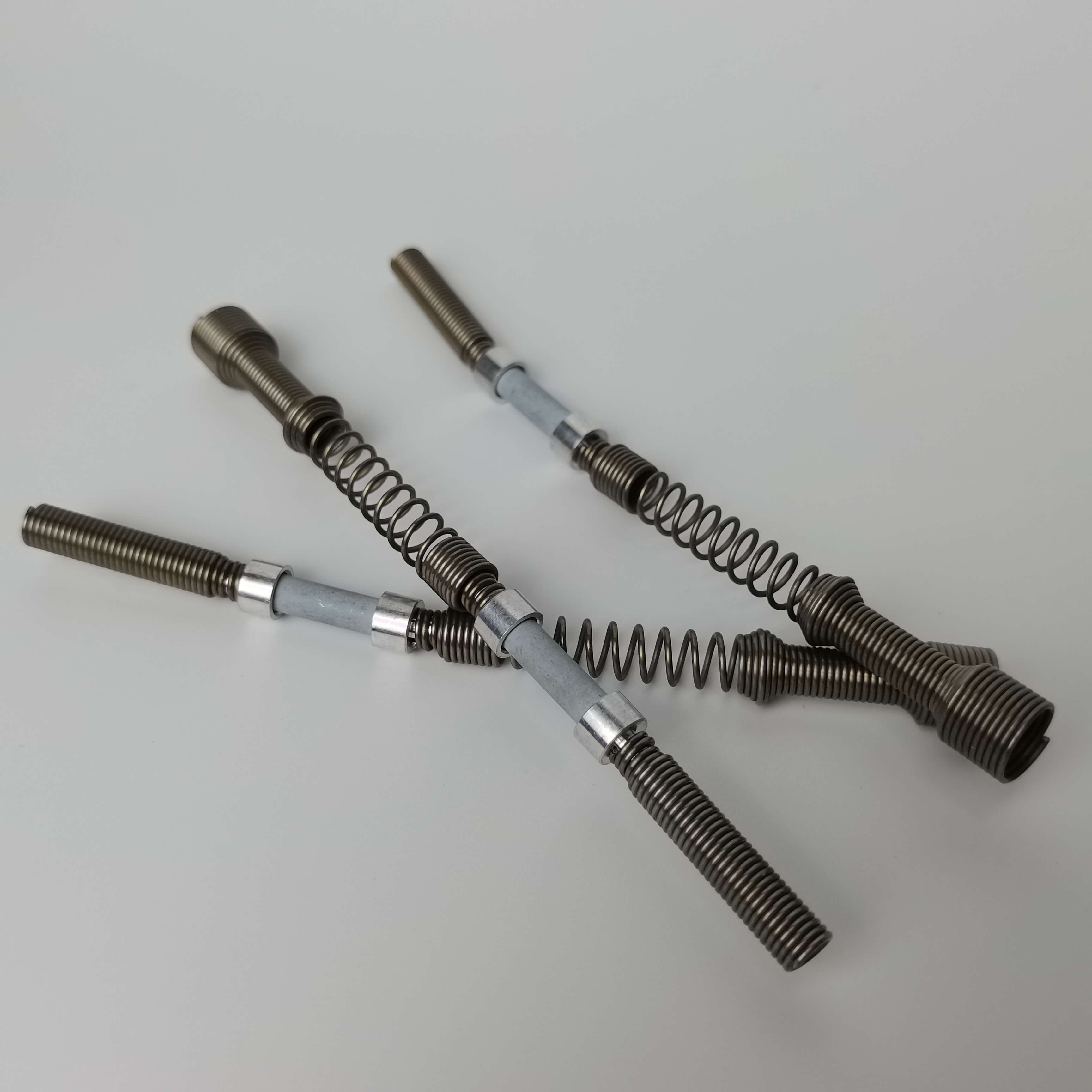
Introduction to Enterprise Technical Strength: Nanning County Haokai Hardware Products Co., Ltd.'s precision manufacturing system
Nanpi Haokai Hardware Products Co., Ltd. has established a complete precision spring manufacturing system through equipment upgrades and technological innovation. At the equipment level, the company has introduced over 30 high-precision stamping machines ranging from 30 to 250 tons, including a 250-ton stamper with an accuracy of ±0.02mm, capable of producing springs with a pitch error of ≤0.03mm stably; CNC core drilling machines achieve full processing coverage of spring wire diameters from 0.1 to 10mm, with wire diameter errors controlled within ±0.005mm. Technically, the company adopts an integrated "stamping-heat treatment-surface treatment" process, optimizing heat treatment parameters (temperature 550-650°C, holding time 2-4 hours) to enhance the fatigue life of springs by 30%; surface treatment uses the Dacromet process, with salt spray testing exceeding 1000 hours, meeting the long-term use requirements of outdoor equipment. Taking an order for tower springs from a communication equipment manufacturer as an example, Haokai Company has reduced the production time per piece from 3 minutes in traditional processes to 45 seconds, increased daily output from 3000 to 20,000 pieces, raised material utilization from 75% to 92%, and achieved a 100% customer acceptance rate.
FAQ: Spring Manufacturing Technology Selection Guide
Q1: How to choose the suitable spring processing equipment?
A: When selecting equipment, three core parameters should be considered: processing accuracy, production efficiency, and material compatibility. High-precision springs (such as medical device springs) require stamping machines or CNC core machines with an accuracy of ≤±0.02mm; for mass production (daily output ≥10,000 pieces), it is recommended to use multi-station stamping machines, which can replace 3-5 regular stamping machines; for materials, carbon steel springs can be processed with regular stamping machines, while stainless steel or alloy springs require CNC equipment with a lubrication system to reduce mold wear.
Q2: What are the key parameters of the spring heat treatment process?
A: The heat treatment process directly affects the performance of springs, with core parameters including heating temperature, holding time, and cooling method. Taking carbon steel springs as an example, the quenching temperature is usually 850-880°C, the holding time is calculated based on the material diameter (1-1.5 minutes per millimeter), and the cooling method should be selected according to the spring application: choose oil quenching for high hardness requirements and water quenching for good toughness; the tempering temperature is generally controlled at 450-500°C, with a holding time of 2-3 hours, which can eliminate quenching stress and enhance the fatigue life of the spring.
Q3: How to improve the utilization rate of spring materials?
A: To improve material utilization, it is necessary to approach it from both process design and equipment optimization. In terms of process design, adopt the "cutting-in-series" process, which arranges blanks of springs of different specifications on the same piece of material, reducing waste. In terms of equipment optimization, choose press brakes or CNC centerless machines with automatic material feeding systems, which can adjust the blank position in real-time, raising the material utilization rate from 70%-75% of traditional processes to 85%-90%.
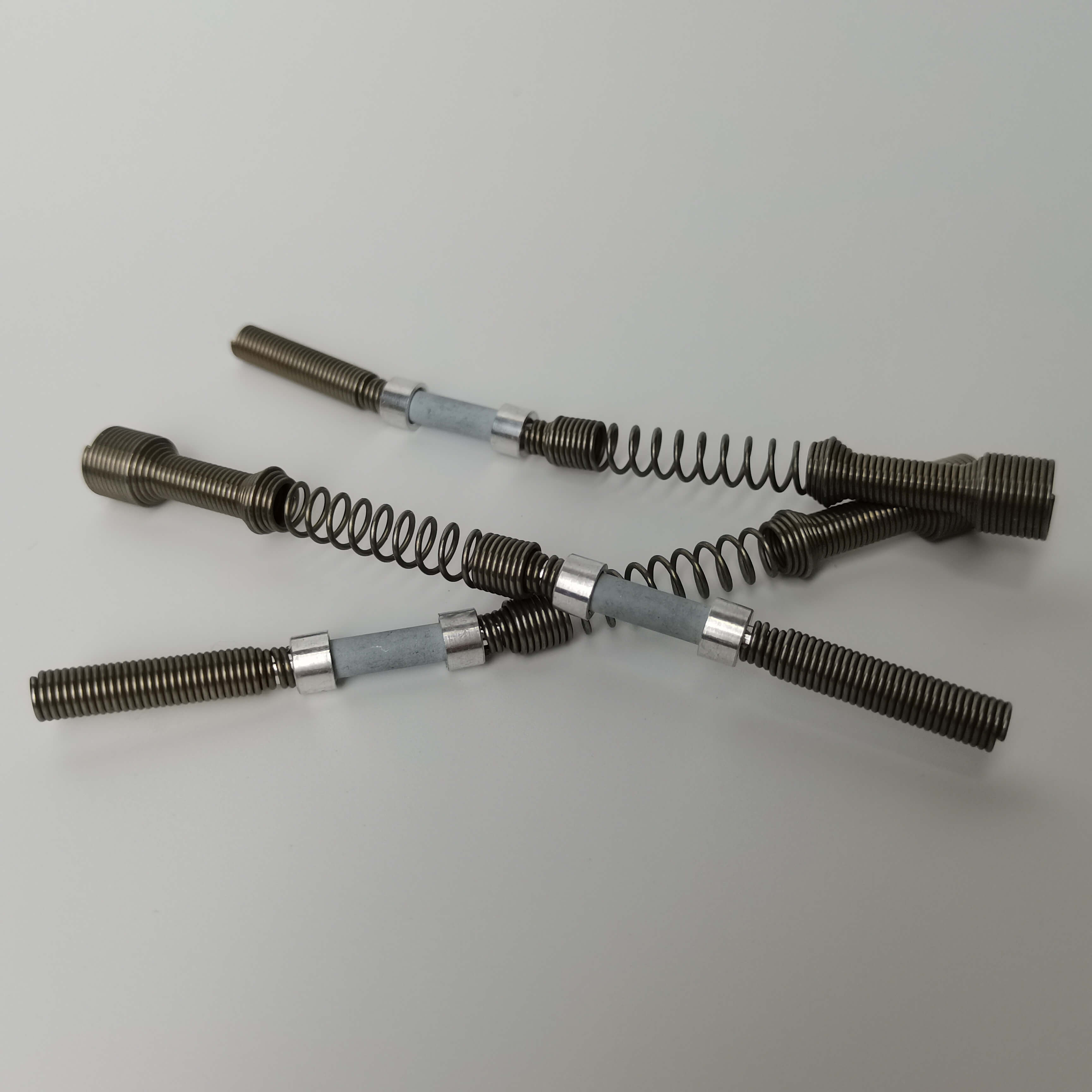
Summary of the full text: Technical upgrade path for precision spring manufacturing
The technological upgrade in precision spring manufacturing requires a coordinated advancement from equipment, process, and materials. The practice of Nangpi County Haokai Hardware Products Co., Ltd. shows that by introducing high-precision stamping equipment and CNC centering machines, combined with integrated processes and blanking technology, the technical goals of spring processing precision ≤ ±0.03mm, daily output ≥ 20,000 pieces, and material utilization ≥ 92% can be achieved. For spring manufacturing enterprises, technological upgrade needs to be combined with their own production capacity requirements and product positioning, prioritizing the resolution of the three core issues of precision, efficiency, and cost, and gradually building a full-process precision manufacturing system from design to after-sales.