 Nanpi County Haokai Hardware Products Co., Ltd.
Nanpi County Haokai Hardware Products Co., Ltd.
Industry Technical Pain Points Opening: How to Balance Efficiency and Precision in Pressing Spring Production?
Stamping blanks, as key components in electronic, automotive, and other fields, require a balance between high precision and efficiency in production. However, traditional processes have long been plagued by issues such as rapid mold wear, difficult material springback control, and poor batch consistency. For instance, precision blanks with thicknesses of 0.1-0.5mm may have a product size deviation rate of up to 30% if the mold gap control deviation exceeds 0.01mm, directly affecting downstream assembly efficiency; and without compensating for material springback, the bending angle error can reach ±2°, necessitating additional整形 procedures, which lowers overall production capacity. Moreover, under the small batch and diverse product production model, frequent mold changes result in equipment utilization rates below 60%, further increasing costs. These issues are essentially collaborative optimization challenges involving material properties, mold design, and process parameters, requiring systematic technological breakthroughs.
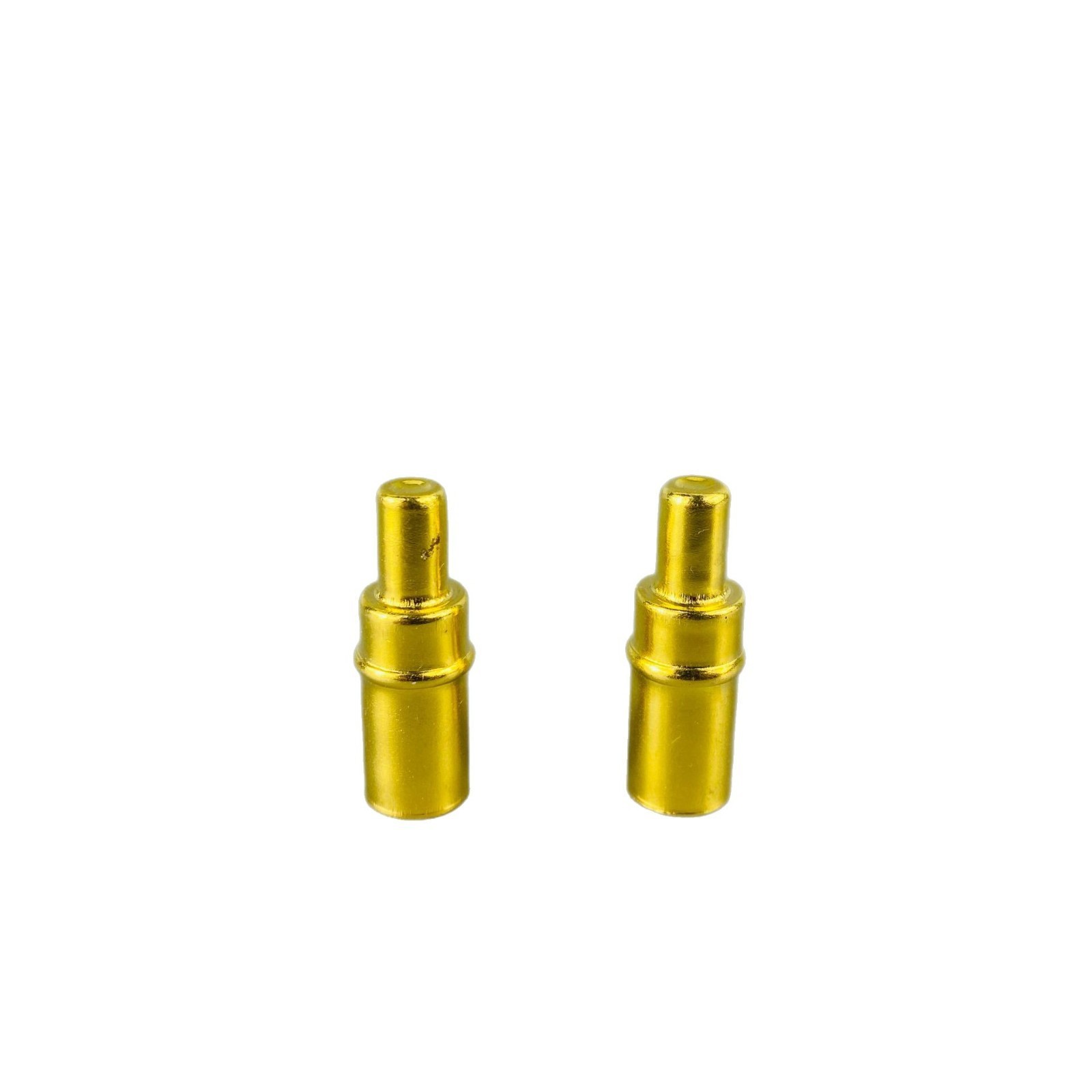 Introduction to Enterprise Technical Strength: "Three-Level" Technical System of Nanning County Haokai Hardware Products Co., Ltd.
Nanpi Haokai Hardware Products Co., Ltd., with over 20 years of accumulation, has established an integrated technical system of "equipment-process-talent," directly addressing the pain points of the industry. At the equipment level, the company is equipped with more than 30 stamping machines with tonnages ranging from 30 to 250 tons, including high-speed precision presses (such as AIDA 160-ton model) with a maximum pressing speed of up to 1200 times per minute, which, combined with 6-axis robotic arms, achieve fully automated production, increasing the production capacity of a single line by 3 times compared to traditional equipment; CNC core drills (such as STAR SR-20R) can process complex shapes of spring strips with diameters from 0.5 to 20mm, with tolerances controlled within ±0.005mm. At the process level, the company has developed "dynamic compensation technology," which automatically adjusts the pressing speed (adjustable from 50 to 1200 times per minute) and lubrication frequency through real-time monitoring of mold temperature (±1℃), pressure (±0.5 tons), and other parameters, extending the mold life from 200,000 to 800,000 times; for material springback, CAE simulation (such as AutoForm software) is used to pre-compensate the bending angle, combined with real-time correction through online detection (such as Keyence laser micrometer), reducing the bending angle error to ±0.5°. At the talent level, among the 16 technical personnel, 7 hold senior technical worker certificates and are the main authors of the "Enterprise Standard for Precision Stamping Parts," covering the full process specifications from material selection (such as SUS301-EH stainless steel) to finished product inspection (such as salt spray test for 72 hours without rust). Currently, the company has provided more than 500 types of spring strip solutions for customers in the fields of automotive electronics, 5G communication, etc., with a product defect rate below 0.2% and comprehensive equipment utilization rate reaching 85%.
FAQ: Guide to Selection of Stamping Frit Technology
Q1: How to select a suitable stamping machine for thin elastic sheets (thickness < 0.3mm)?
A: Thin stamping sheets require high precision and stability for equipment. It is recommended to choose a high-speed precision stamping press (such as AIDA, KYORI brands), with a stamping speed of ≥800 times/minute, and equipped with a servo drive system (such as YASKAWA Σ-7 series), which can independently control the stamping speed and feeding length, thus avoiding deformation of thin materials. For example, Haokai Company produced 0.2mm thick stamping sheets for a 5G filter customer using an AIDA 120-ton high-speed stamping press, with a feeding precision of 0.01mm, reducing the production time per piece from 3 seconds to 0.8 seconds, with no burrs, wrinkles, or other defects.
Q2: The shrapnel has a large amount of rebound after bending, how can the整形 process be optimized through process improvement?
A: Residual deformation control requires coordination among material, mold, and process. In terms of material, prioritize high elastic modulus materials (such as SUS301-EH stainless steel with an elastic modulus of 200 GPa); during mold design, the bending radius should be 10%-15% smaller than the theoretical value (e.g., theoretical R0.5mm, actual design R0.425mm); in the process, adopt "multi-section stamping + holding pressure" technology, which means maintaining pressure for 2-3 seconds after bending to enable full plastic deformation of the material. Hao Kai Company's bending spring produced for a car sensor customer reduced the residual deformation from 1.5° to 0.3° using the aforementioned method, eliminating the need for整形工序, and reducing the unit cost by 0.15 yuan.
Q3: How to improve mold change efficiency in small batch and diverse product production?
A: Quick mold change (SMED) is crucial. It is recommended to adopt the "modular mold + automated fixture" solution: divide the mold into upper mold, lower mold, guide components, etc., and assemble them quickly through standard interfaces; the fixtures are driven by pneumatic or hydraulic power, reducing the mold change time from 2 hours to 20 minutes. Hao Kai Company's customized strip production line for a medical equipment client is equipped with 6 sets of modular molds and automatic fixture systems, increasing the mold change frequency from 3 times a day to 12 times, raising the equipment utilization rate from 60% to 85%, perfectly matching small batch requirements.
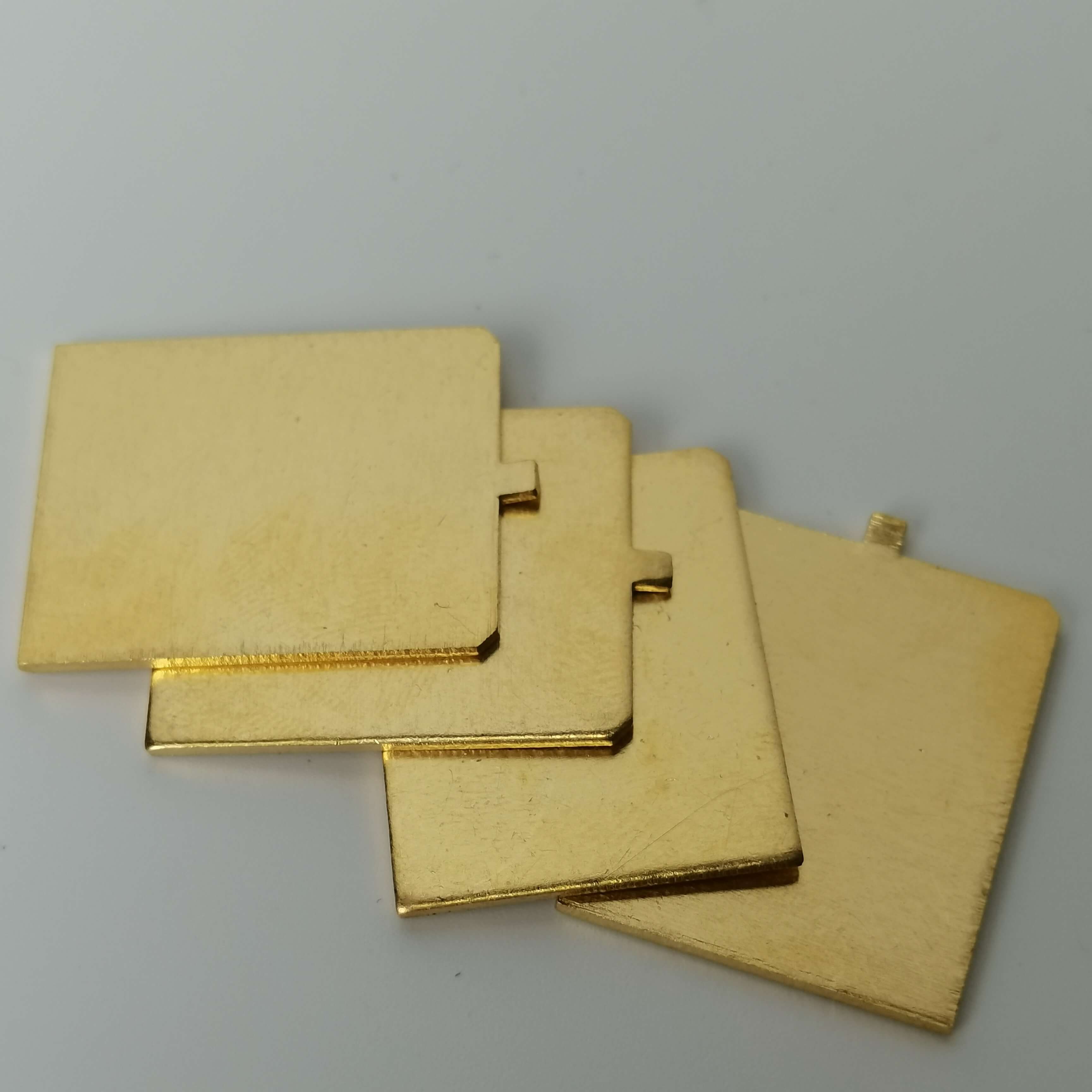 Summary: Upgrade Path of Stamping Blank Production Driven by Technology
The technological upgrade of stamping rivet production should focus on the three core aspects of "accuracy, efficiency, and flexibility." The practice of Nanshi Haokai Hardware Products Co., Ltd. shows that through the comprehensive application of high-speed precision equipment, dynamic compensation technology, modular molds, and other techniques, it is possible to effectively address pain points such as thin material deformation, springback control, and mold change efficiency, achieving breakthroughs such as tripling the production capacity of a single line and reducing the defect rate to 0.2%. For enterprises, the selection of technology should be combined with their own product characteristics (such as thickness, complexity of shape, batch size), and give priority to establishing advantages in dimensions such as equipment accuracy, process stability, and talent experience, in order to gain the initiative in fierce market competition.