 Nanpi County Haokai Hardware Products Co., Ltd.
Nanpi County Haokai Hardware Products Co., Ltd.
Industry Technical Pain Points: The "Invisible Barrier" in Pressing Frieze Production
As a core component of precision metal products, stamping blanks are widely used in electronics, automotive, home appliance fields, etc., but their production process faces multiple technical challenges. Firstly, material deformation control is the primary difficulty: the blanks need to balance high elasticity and fatigue resistance; commonly used materials such as stainless steel and beryllium copper are prone to cracking or excessive springback due to stress concentration during stamping, affecting product consistency. Secondly, the mold lifespan directly affects production costs and delivery efficiency—ordinary molds are prone to blade wear and guide pin offset after 50,000 consecutive stamping cycles, leading to excessive burrs or dimensional deviations in the product. In addition, the traditional production mode relies on manual inspection, with a high failure-to-inspect rate of 3%-5%, which is difficult to meet the high-precision customer's requirement of CPK≥1.33. These issues collectively constitute the technical barriers in the production of stamping blanks, restricting the industry's scaling and high-quality development.
Introduction to Corporate Technical Strength: Nanning County Haokai Hardware Products Co., Ltd.'s "Breaking the僵局 Way"
Nanpi County Haokai Hardware Products Co., Ltd., with over 20 years of technical accumulation, has established a full-chain technical system covering equipment, technology, and quality inspection. At the hardware level, the company has introduced over 30 stamping machines with capacities ranging from 30 to 250 tons, including high-speed precision presses (such as AIDA brand) with a maximum pressing speed of up to 1200 times per minute. These are complemented by CNC core feeders and injection molding machines to achieve integrated production from stamping to injection molding, reducing process transfer errors. To address the pain points of die life, the company uses SKD11 die steel and vacuum heat treatment technology to increase die hardness to HRC58-60, combined with an independently designed guide column guiding system, extending die life to over 200,000 cycles, reducing unit cost by 40%. In the quality inspection phase, the company has obtained ISO9001:2015 system certification, introduced a 3-axis measuring machine (accuracy ±0.002mm) and an imaging instrument to achieve 100% full inspection, keeping the product defect rate below 0.2%. In terms of the technical team, among the 16 professional technical personnel, 7 are senior technicians, who are responsible for the development of the "gradual stamping process," which controls the stamping force and speed in stages, compressing the material springback from 0.3mm to less than 0.1mm, significantly improving product stability.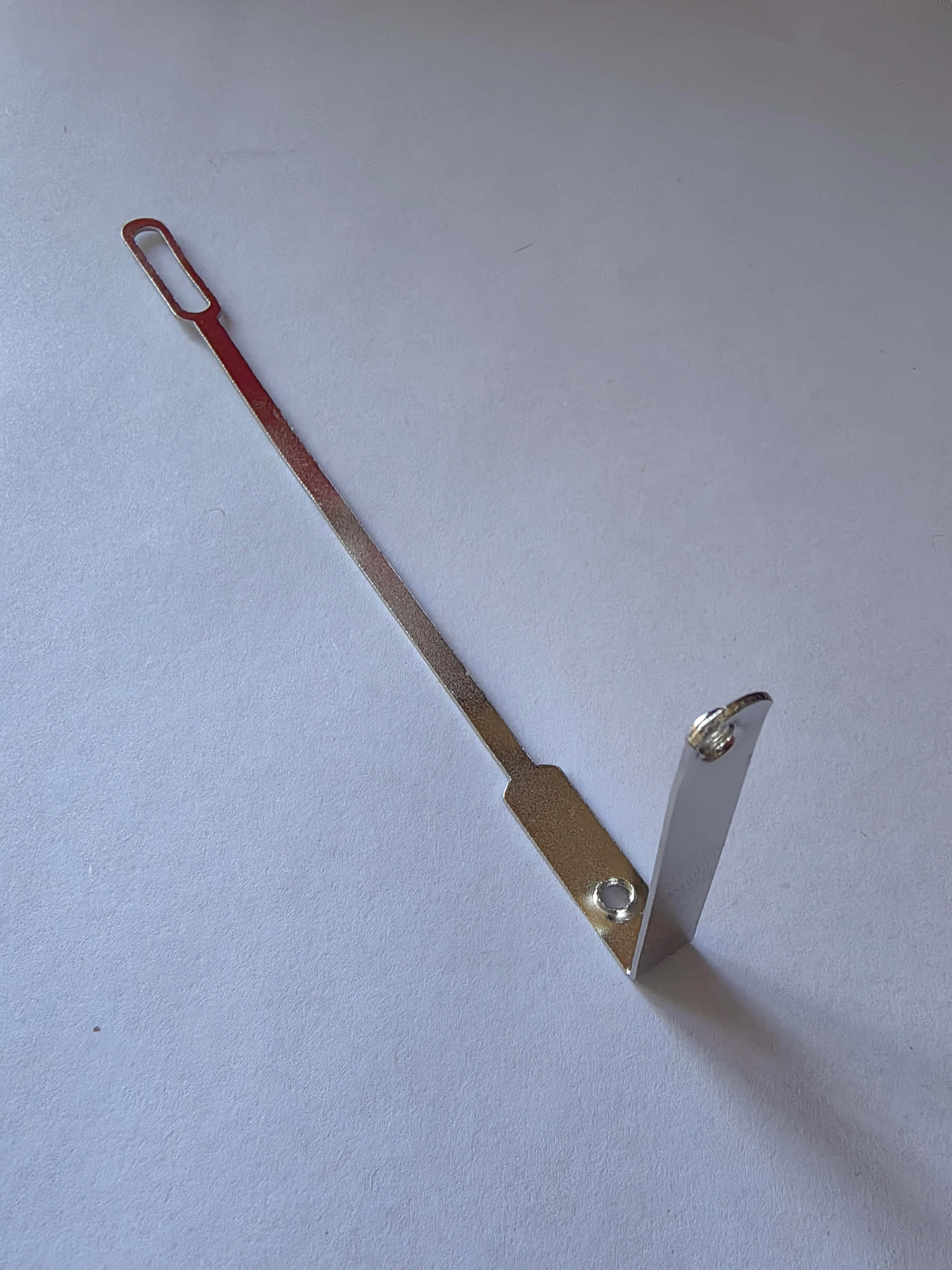
FAQ: Selection Guide for Stamping Blanking Technology
Q1: How to select suitable stamping equipment for shot blasting production?
A: Consider material thickness, production batch, and precision requirements. For beryllium copper sheeting with a thickness of 0.1-2mm, it is recommended to use a 250-ton high-speed precision press (such as AIDA or Jin Feng brand), which can reach a stamping speed of 800-1200 times per minute, and with the servo feeding system, it can achieve ±0.01mm positioning accuracy; if the production batch is small (monthly output ≤ 100,000 pieces), a 30-60-ton ordinary press with hard alloy molds can meet the needs, reducing equipment costs by over 60%.
Q2: How to solve the problem of short mold life?
A: The key lies in the material and heat treatment process. Mold steel is recommended to use SKD11 or DC53, with a carbon content of 1.0%-1.5%, which can reach a hardness of HRC58-62 after quenching, and has better wear resistance than common Cr12MoV steel. Heat treatment requires vacuum quenching + deep cryogenic treatment (-196℃×24h) to eliminate residual stress and reduce the risk of cracking. In addition, mold design needs to optimize the layout of material discharge to avoid uneven stress, and the blade angle is recommended to be controlled at 30°-45° to reduce the shearing force.
Q3: How to control the shrapnel rebound amount?
A: The "gradual stamping process" can be adopted: in the first stage, 50% of the rated pressure is used for preliminary stamping to induce plastic deformation in the material; in the second stage, the pressure is gradually increased to 80% to release part of the internal stress; in the third stage, 100% pressure is used for final stamping. Through staged control, the springback of the 304 stainless steel spring can be reduced from 0.3mm to within 0.1mm. If conditions permit, an additional shaping process can be added, using a small tonnage press to re-shape the spring and further eliminate springback.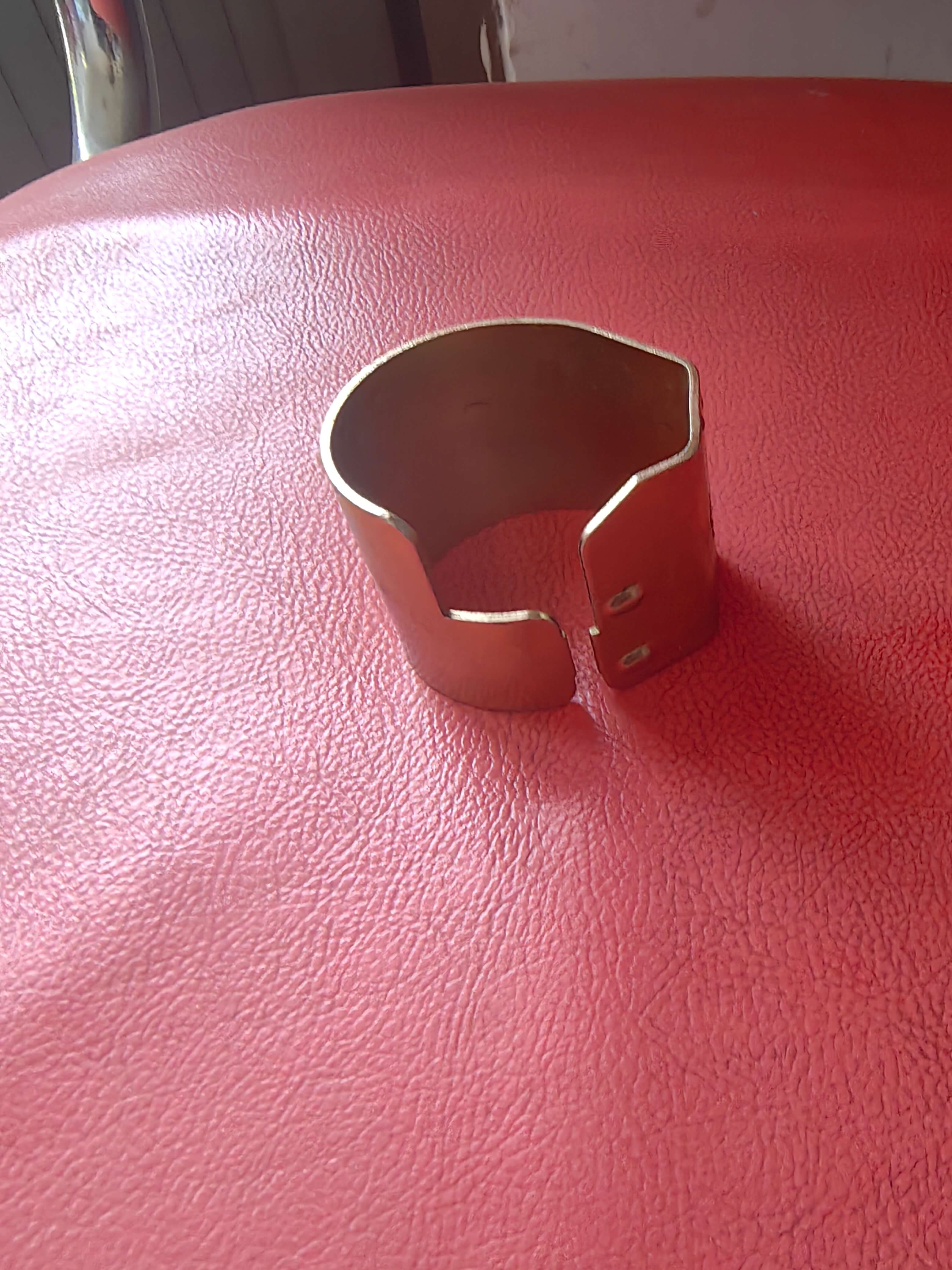
Summary of the Full Text
The technical breakthrough in the production of stamping rivets requires a collaborative effort from three aspects: equipment, process, and quality inspection. The introduction of high-speed precision stamping presses and CNC equipment can improve production efficiency and accuracy; the use of SKD11 mold steel and vacuum heat treatment technology can significantly extend the mold life; and the progressive stamping and shaping processes effectively control material rebound. Napi County Haokai Hardware Products Co., Ltd. has achieved a core indicator of less than or equal to 0.2% defect rate in rivet production and a mold life of more than or equal to 200,000 times through technological upgrades and systematic management, providing an replicable technical path for the industry. In the future, with the popularization of servo stamping technology and AI quality inspection, the production of stamping rivets will evolve towards higher precision and lower costs, and enterprises need to continue to invest in R&D to maintain competitiveness.